Connect with us

Hwange

Father in court for rape of daughter

Published

on

BY NOKUTHABA DLAMINI 

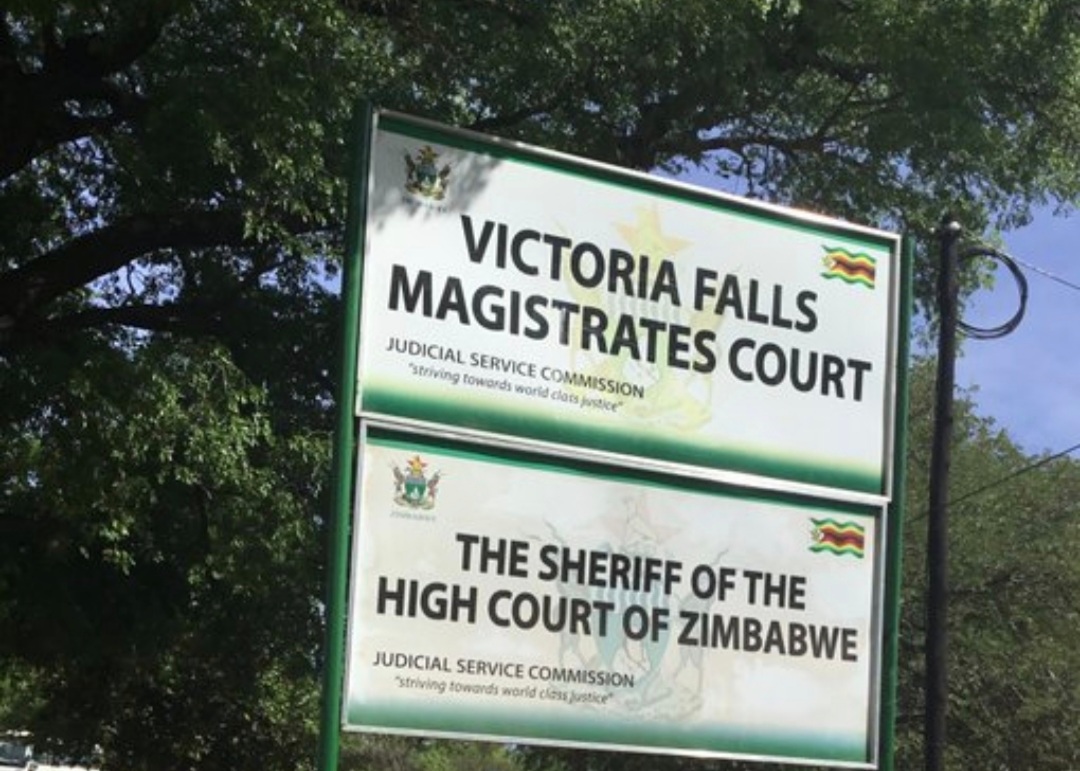
A 31-year-old man from Victoria Falls appeared in court on Monday facing two counts of rape against his 15-year-old daughter.

Advertisement

Elton Zibusiso Nyathi, was not asked to plead and was remanded in custody to September 30 at the Hwange Regional Court.

According to court records, Nyathi allegedly raped his daughter on two separate occasions. The first incident occurred on September 4, at around midnight, when Nyathi entered his daughter’s bedroom and forcibly had sexual intercourse with her without her consent and threatened to kill her if she reveals the matter to anyone.

The second incident occurred on September 9, at around 3 pm, when Nyathi dragged his daughter to his bedroom and again forcibly had sexual intercourse with her without her consent.

Advertisement

“Accused person who is the complainant’s father arrived at home and asked the complainant to cook potato chips for him,” the state records reads.

“The complainant then went to the kitchen to prepare the potato chips, the accused person then followed the complainant in the kitchen, grabbed the complainant’s hand and dragged her to his bedroom and locked the door. Whilst in the bedroom the accused person pushed the complainant to the floor and she fell down and he raped her.”

The court records indicate that Nyathi has a known record of previous convictions and has pending cases at court, including unlawful entry into premises.

Advertisement

The prosecution argued that Nyathi is likely to interfere with evidence and witnesses, given his relationship with the complainant, and is also likely to commit other offences. Additionally, the prosecution argued that Nyathi is likely to abscond due to the seriousness of the offence and the potential lengthy sentence he may face if convicted.

The magistrate, Gift Manyika, remanded Nyathi in custody, citing the seriousness of the offence and the need to protect the complainant and the community.

Advertisement
Continue Reading
Click to comment

Leave a Reply

Your email address will not be published. Required fields are marked *

Binga

Poet’s pen turns to philanthropy: Obert Dube’s mission to clothe and educate Zimbabwe’s youth

Published

on

BY NOKUTHABA DLAMINI

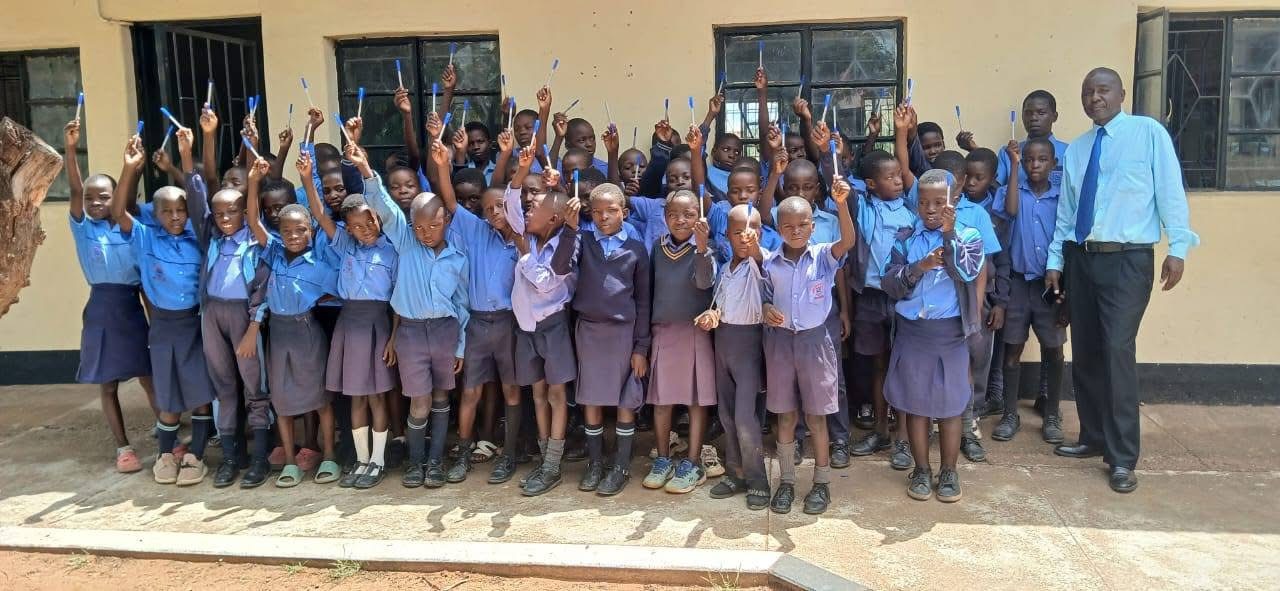
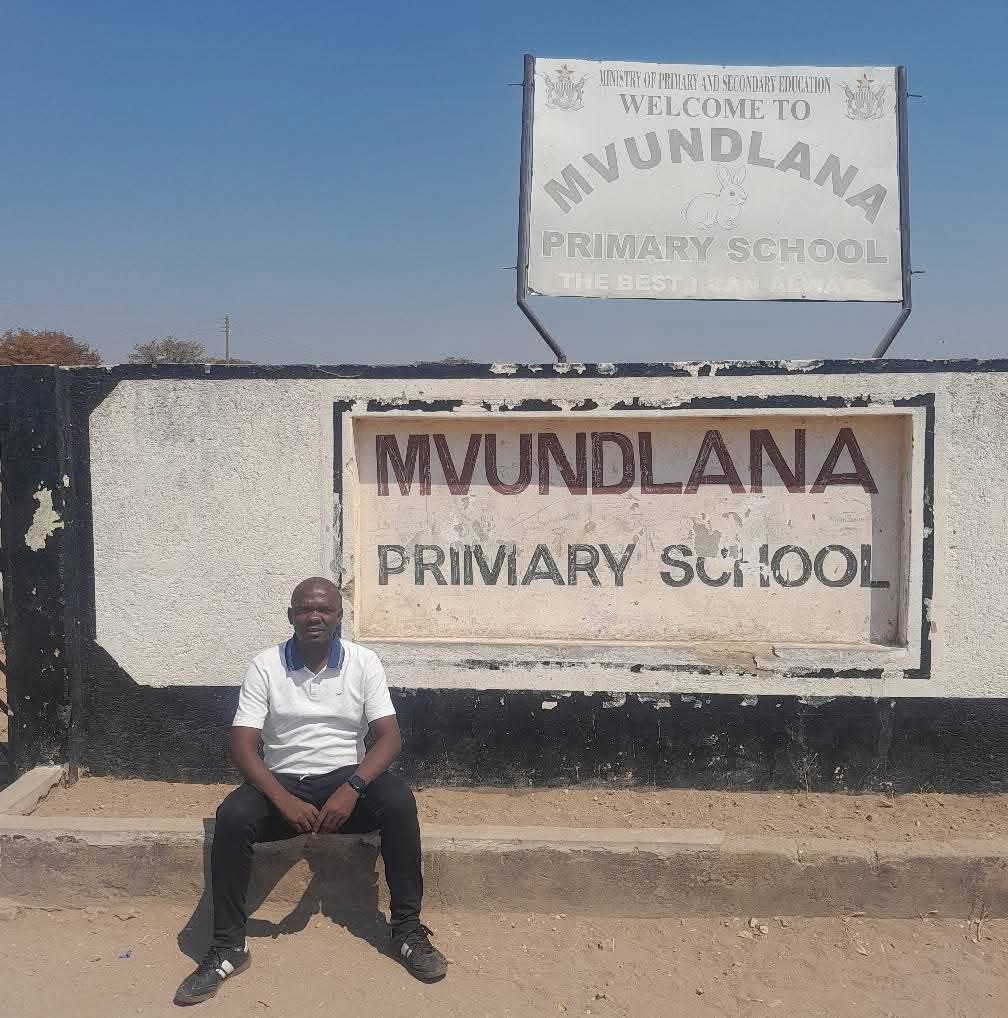
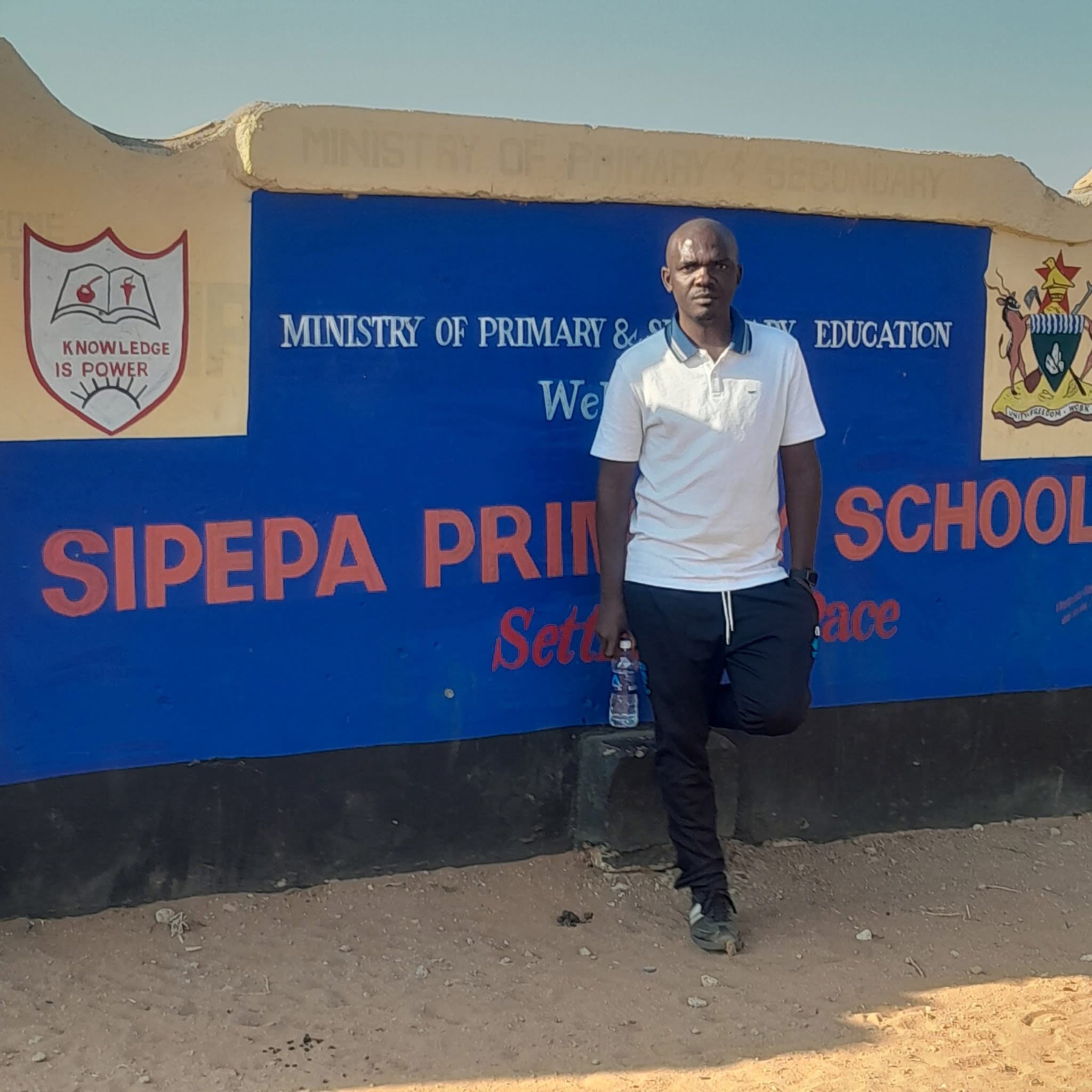
For Obert Dube, a renowned African poet, the stage is no longer just a place for performance; it has become a platform for a massive humanitarian effort aimed at Zimbabwe’s most vulnerable children. Since November, Dube has traversed the rugged terrains of Matabeleland North and South, visiting over 100 schools to provide essential supplies to students who, much like his younger self, are struggling to stay in the classroom.
Advertisement

Obert Dube

Dube, who describes himself as an “African poet… born and bred in Zimbabwe,” has dedicated his career to what he calls a “mission of mercy.” His work focuses on children who are often forced to drop out due to a lack of school fees or basic stationery. “I’m an African poet… a philanthropist engaged in a special mission,” Dube said in a recent interview. “I help vulnerable children… who sometimes fail due to school fees. Some approach me for help with registering for examinations.”
The poet’s motivation is deeply rooted in his own childhood trauma. Raised by a widowed mother who passed away before his final exams, Dube became a “child parent” at a young age. He recalls the humiliation of attending school in borrowed uniforms and the struggle of trying to learn without the most basic tools. “I remember some raised by elderly grandparents… their parents are passed on,” Dube explained, noting that many guardians cannot afford books. “They will spend the rest of the time at school without writing, and that is what is contributing to low pass rates.”
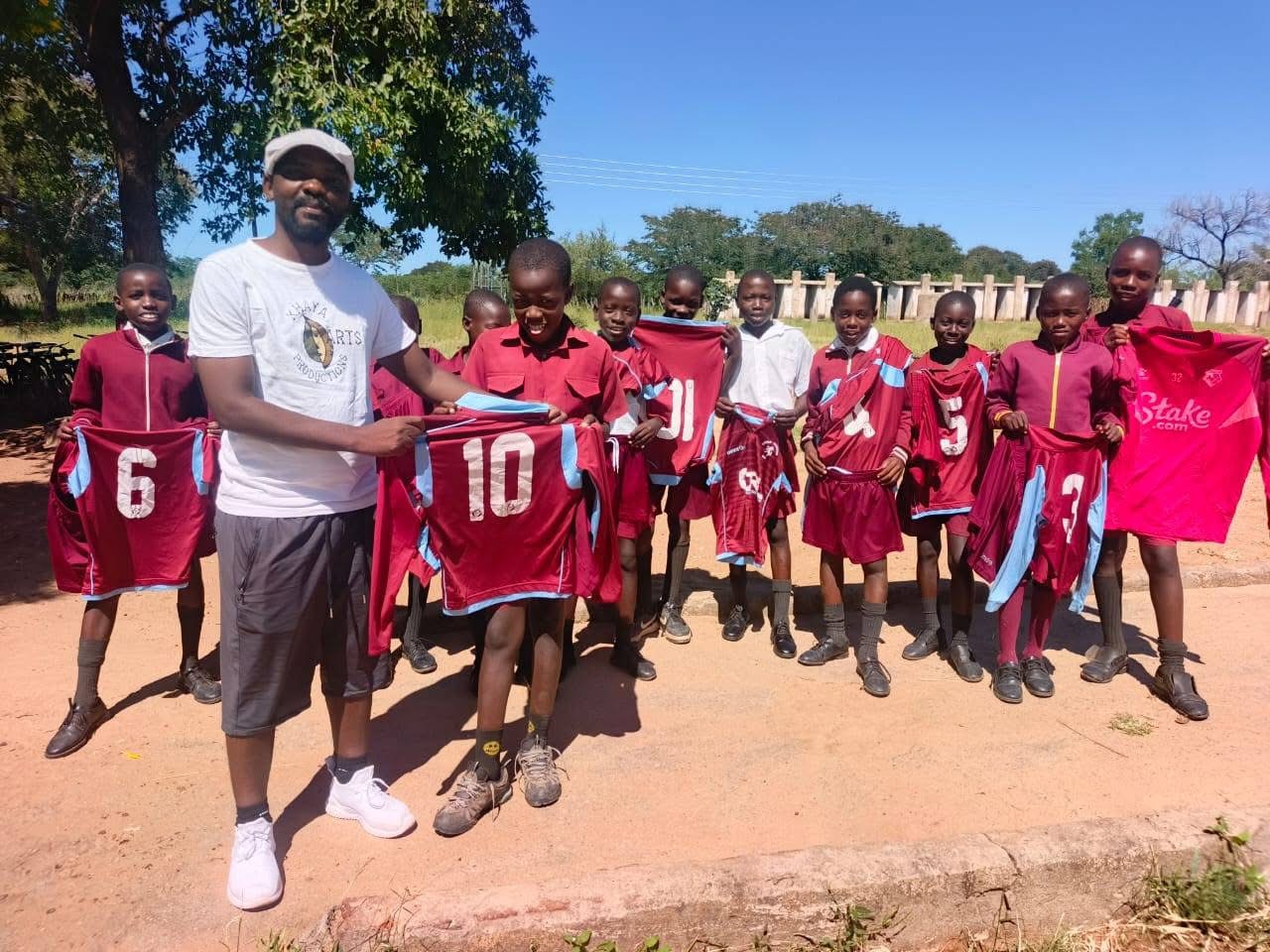
To fund this initiative, Dube allocates 30 percent of his earnings from every performance to purchase stationery and pay school fees. His reach has expanded to districts including Nkayi, Binga, Lupane, and Hwange. While he started alone, his social media presence has attracted global support, including a Zimbabwean-born UK citizen who recently donated football kits for the schools. “This is a different thing collectively that builds helping our own communities,” Dube said.
Advertisement
Continue Reading

Binga

Lawmaker urges localized climate strategies for Tsholotsho, Hwange

Published

on

BY NOKUTHABA DLAMINI

A Shamva South lawmaker has called for a radical shift in climate change mitigation strategies, demanding that the government abandon “one-size-fits-all” projects in favor of solutions that respect the unique geography and culture of districts like Tsholotsho, Hwange, and Binga.

Advertisement

During the debate on the Climate Change Management Bill, Joseph Mapiki argued that national programs often fail because they ignore local realities.

“We should look at our projects in terms of the area,” Mapiki told the National Assembly. “For example, in Tsholotsho and Hwange, where there are game parks, we cannot force them to do horticulture because there is no water. We should encourage them to engage in tourism”.

Mapiki also challenged the government’s staffing policies for climate initiatives, insisting that local language and cultural knowledge are essential for the success of any environmental committee.

Advertisement

“If someone from Mashonaland Central goes and is incorporated in a Committee in Binga, it means that the Committee will not function well because that person will not be conversant with the language,” he argued.

He further emphasized that “First preference should be given to the locals to avoid taking people from other areas… because those other people will not be aware of the language and culture of the people there”.

Beyond staffing and local projects, Mapiki raised concerns about the influence of international donors on Zimbabwe’s environmental policy.

Advertisement

He urged the government to ensure that the majority of climate funding is domestic to avoid “stringent measures and conditions” imposed by foreign entities.

“Our plea Hon. Minister, is that 98% funding for that Bill should be from Zimbabwe,” Mapiki stated.

“Foreign funding is hampering our progress”. His remarks were supported by other MPs who noted that climate change mainstreaming must include the “vulnerable communities” and “local authorities” who are on the frontlines of weather shocks in the province.

Advertisement

Continue Reading

Hwange

Hwange MP challenges government over Nambya teacher deployment

Published

on

BY NOKUTHABA DLAMINI

Hwange East legislator Joseph Bonda has called on the government to address what he describes as the marginalisation of the Nambya language in schools, arguing that current teacher deployment policies are undermining early learning in Matabeleland North.

Advertisement

According to the National Assembly’s official record of 7 April 2026, Bonda formally asked the Minister of Public Service, Labour and Social Welfare to explain why trained Nambya-speaking teachers are not being employed in Hwange District while non-speakers are posted to the area.

He said the practice was “depriving children of receiving instruction in their mother tongue at the early education stage”, which he described as critical to both educational outcomes and cultural development.

Under Zimbabwe’s language policy framework, learners are expected to be taught in their mother language in the early grades. Critics say failure to align teacher deployment with local languages weakens that principle in practice.

Advertisement

Despite the concerns raised, the matter remains unresolved in Parliament. The inquiry was deferred on 18 March and, at the latest sitting, the ministry had yet to provide a formal response.

Parents in the district say the issue has direct consequences for children’s performance.

“Our children are disadvantaged from the start,” said Ester Ncube, a parent in Jambezi under Chief Shana. “If a child cannot understand the teacher in Grade One, it affects everything that follows.”

Advertisement

Community leaders argue that the debate goes beyond classroom instruction and touches on identity.

“Language is part of who we are,” said local elder Eliziya Vashe Shoko. “If schools do not teach in Nambya, we are slowly losing our identity. Government must take this seriously.”

Young professionals in the province say the challenge is not a shortage of qualified personnel but gaps in recruitment and deployment.

Advertisement

“There are trained teachers who speak Nambya, Lozvi, Chidombe and other local languages, but they are not being deployed here,” said Lindiwe Sibanda, a recent graduate.

“At the same time, teachers from outside are brought in. It does not make sense. These languages should be prioritised so that communities feel a sense of belonging and respect.”

The language dispute forms part of a wider push for regional equity in Matabeleland North. Bonda has also raised concerns over local employment quotas in the wildlife sector and what he describes as the exclusion of Hwange from national weather forecasts. He argues that these issues reflect a broader mismatch between national policy and local needs.

Advertisement


SOURCE: CITE

Advertisement
Continue Reading

Trending

Copyright © 2022 VicFallsLive. All rights reserved, powered by Advantage