BY NOKUTHABA DLAMINI
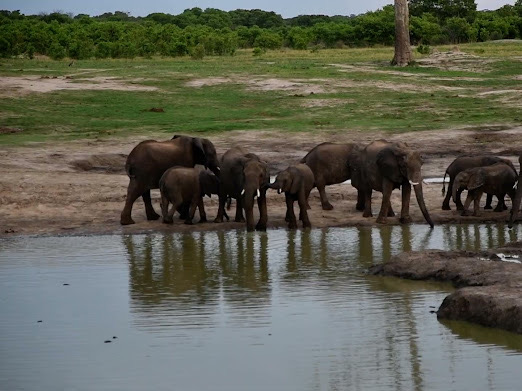
Hwange East legislator, Joseph Bonda, has taken the fight for local employment in wildlife conservation to Parliament, questioning why communities living alongside dangerous animals are being sidelined in job opportunities.
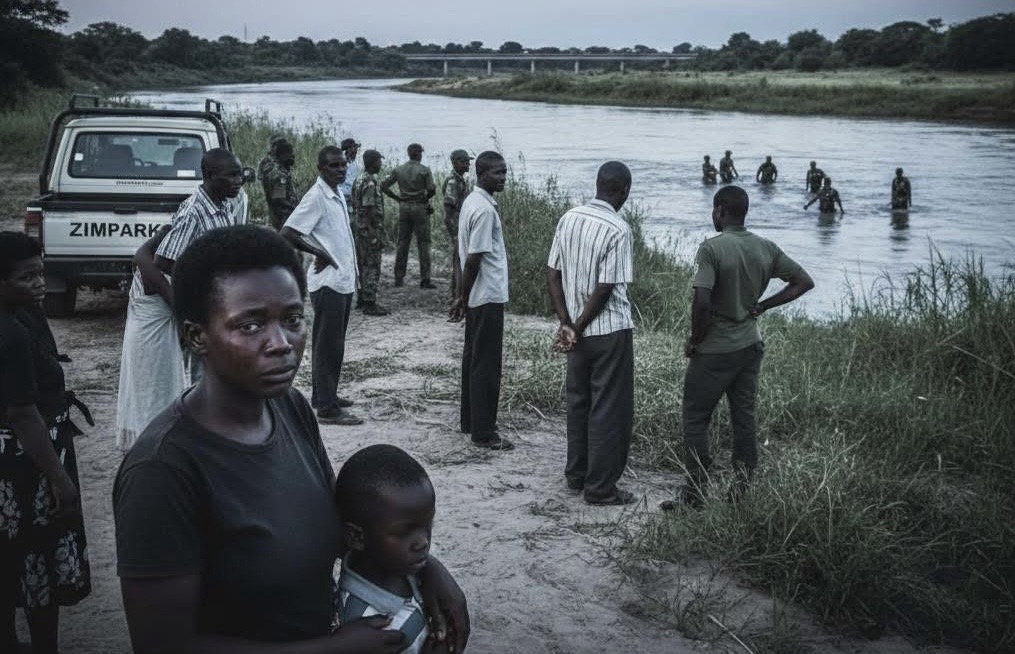
In a question directed to the Minister of Environment, Climate and Wildlife, Bonda pressed for clarity on what measures are in place to ensure that residents of Hwange District are prioritised for employment by the Zimbabwe Parks and Wildlife Management Authority. He argued that locals, who bear the brunt of human-wildlife conflict, should be first in line for jobs in the sector.
The matter, however, did not receive an immediate response in the National Assembly and was deferred on 18 March 2026, leaving the concerns unresolved for now.
Bonda’s intervention has resonated strongly with communities in Hwange, where wildlife is both a resource and a risk.
“We live with these animals every day”
In Mabale, local villager Sibangani Ndlovu said it is unfair that outsiders benefit from jobs linked to wildlife while locals face constant danger.
“We live with these animals every day. Elephants destroy our crops, sometimes people are injured or killed. But when jobs come, they go to people from far away. That is not right,” he said.
“Employment should be compensation too”
Another r, Memory Moyo from Dete, said employment in parks and safari operations should be viewed as part of community compensation.
“If we are expected to conserve wildlife, then we must also benefit. Jobs are one of the biggest benefits. Otherwise, people will start to see animals as a burden, not a resource.”
Youth feel locked out
Young people in the district say lack of access to jobs in the wildlife sector is worsening unemployment.
Talent Ncube, a youth from Hwange, said many qualified locals are overlooked.
“We have people trained in tourism and conservation here, but they are not getting opportunities. It discourages us as young people because we feel excluded from our own resources.”
Growing pressure on government
Bonda’s question adds to mounting pressure on government to align conservation efforts with community benefits, especially in areas like Hwange where human-wildlife conflict is frequent.
With the issue now formally raised in Parliament, residents say they are waiting to see whether authorities will respond with concrete policy changes—or whether, like many rural concerns, it will remain unresolved.





 Slider3 years ago
 National5 years ago
 Tourism and Environment4 years ago
 Special reports4 years ago
 Opinion4 years ago
 National4 years ago
 National3 years ago
 National3 years ago