Connect with us

Hwange

Victoria Falls council reviews progress and challenges in 2026 budget consultation

Published

on

BY NOKUTHABA DLAMINI 

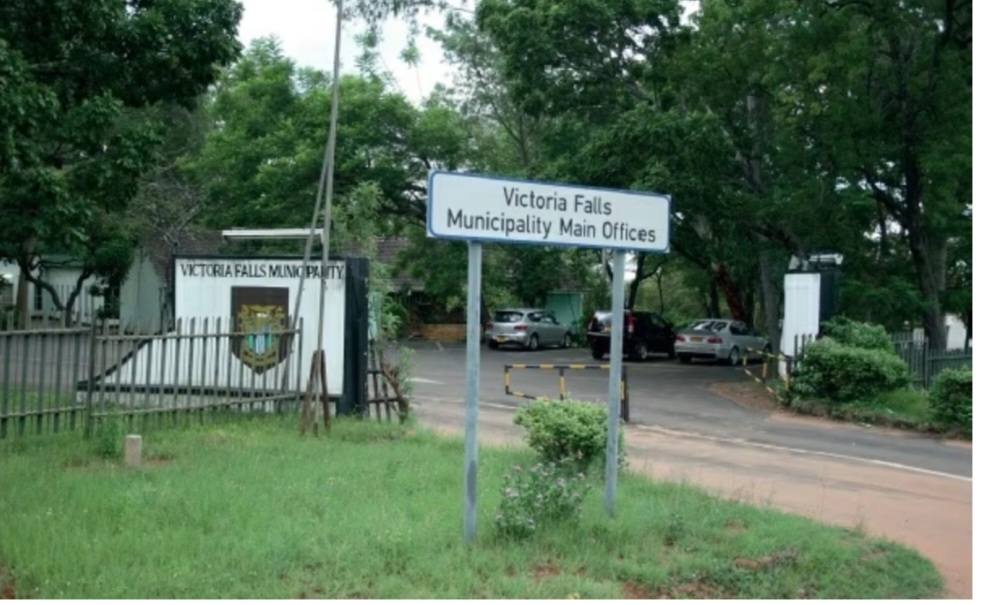
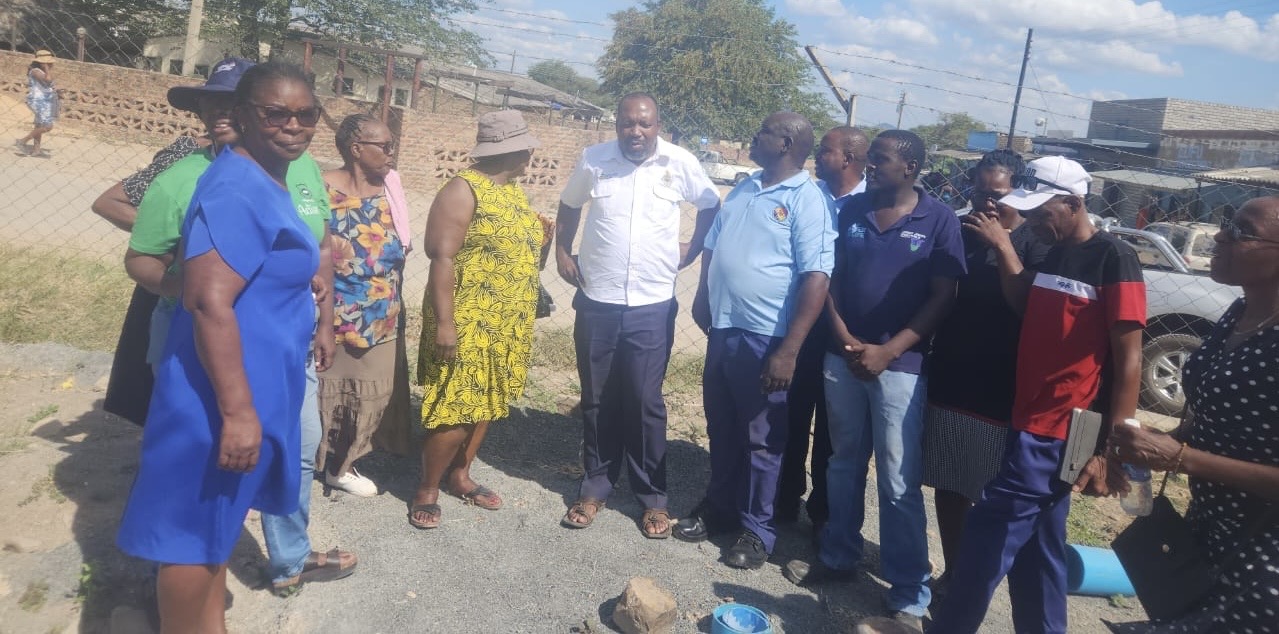
Last week, the City of Victoria Falls held an important stakeholder consultation at Chinotimba Clinic, gathering insights from the junior council and youth representatives. The meeting aimed to discuss the progress made in the city over the past year and identify key areas for improvement as the council prepares for the 2026 budget.

Advertisement

Progress Reports: Successes and Challenges

The council highlighted several community service projects in progress. Mosi Oa Tunya School’s hall construction is currently at 25% completion, with work hampered by late disbursements of Devolution funds.

Similarly, the construction of Mosi 2 Secondary School has seen minimal progress, aligning with other initiatives that encountered budgetary delays.

Advertisement

Significant achievements in public health included the completion of a Drug Rehabilitation Center, established in collaboration with the Ministry of Health and Child Care.

Additionally, the Chinotimba Stadium upgrade continues, with newly trenched dressing rooms and extended toilet facilities now accommodating persons living with disabilities.

In water management, the council reported substantial advancements, such as the completion of a 0.75 million-litre elevated tank and significant progress on a 5 million-litre ground reservoir, which is now 94% complete. Other water systems upgrades include an 810-meter access road to a new helipad site, enhancing both emergency response capabilities and community services.

Advertisement

Key Statistics and Observations

The council shared key performance statistics showing improvements in several areas:

• Employee satisfaction increased from 52% to 65%.

Advertisement

• Per capita water supply improved from 100 to 120 liters.

• Refuse collection efficiency rose significantly from 65% to 90%.


Advertisement

However, several challenges were also noted, including:

• Limited disbursements from Devolution funds.

• Economic constraints affecting suppliers and procurement processes.

Advertisement

• A liquidity crunch that has limited the council’s borrowing capabilities.


During the meeting, youth representatives expressed concerns about equitable access to project opportunities. Ndabiqondile Zwelinjani urged the council to engage directly with communities when distributing resources, suggesting an open application process to ensure transparency and fairness.

Advertisement

Moving Forward

Kholwani Mangena, the council’s chamber secretary, responded to these concerns by emphasizing the commitment to detailed discussions ahead of finalizing the 2026 budget. He suggested scheduling another meeting to clarify goals and resolve outstanding issues from previous years.

Advertisement
Continue Reading
Click to comment

Leave a Reply

Your email address will not be published. Required fields are marked *

Hwange

CDF-funded borehole brings relief to Hwange ward 5

Published

on


BY NOTHANDO DUBE

Advertisement

Daniel Molokele has announced the successful rollout and verification of solar-powered boreholes across several wards in Hwange Central, describing the development as a major boost for communities long affected by water shortages.

In a statement issued Friday, Molokele confirmed that a solar-powered borehole in Ward 5 is now fully operational, bringing relief to residents who have endured prolonged periods without reliable water supplies. Community members reportedly expressed “absolute delight” at the development, citing the borehole as a critical intervention.

The Ward 5 project is part of four boreholes installed under the 2024 Constituency Development Fund (CDF). According to the MP’s office, verification visits conducted on April 17 across Wards 1, 4, 5 and 6 confirmed steady progress.

Advertisement

Ward 4 and Ward 6 boreholes have been operational since February, already serving local populations. In Ward 1, installation is nearly complete, with service expected imminently.

Molokele’s office also revealed that delays in Ward 5 were due to funding shortfalls after CDF allocations were exhausted. The MP personally covered an outstanding US$2 000 to ensure completion.

Meanwhile, Ward 14 remains without a borehole despite being included in the original proposal. Officials acknowledged ongoing water challenges in the area and said efforts are underway to mobilise additional funding to complete the project.

Advertisement

Local leaders, councillors and ward development committees participated in the verification exercise alongside the project contractor, who provided technical assessments at each site.

Advertisement
Continue Reading

Binga

Poet’s pen turns to philanthropy: Obert Dube’s mission to clothe and educate Zimbabwe’s youth

Published

on

BY NOKUTHABA DLAMINI

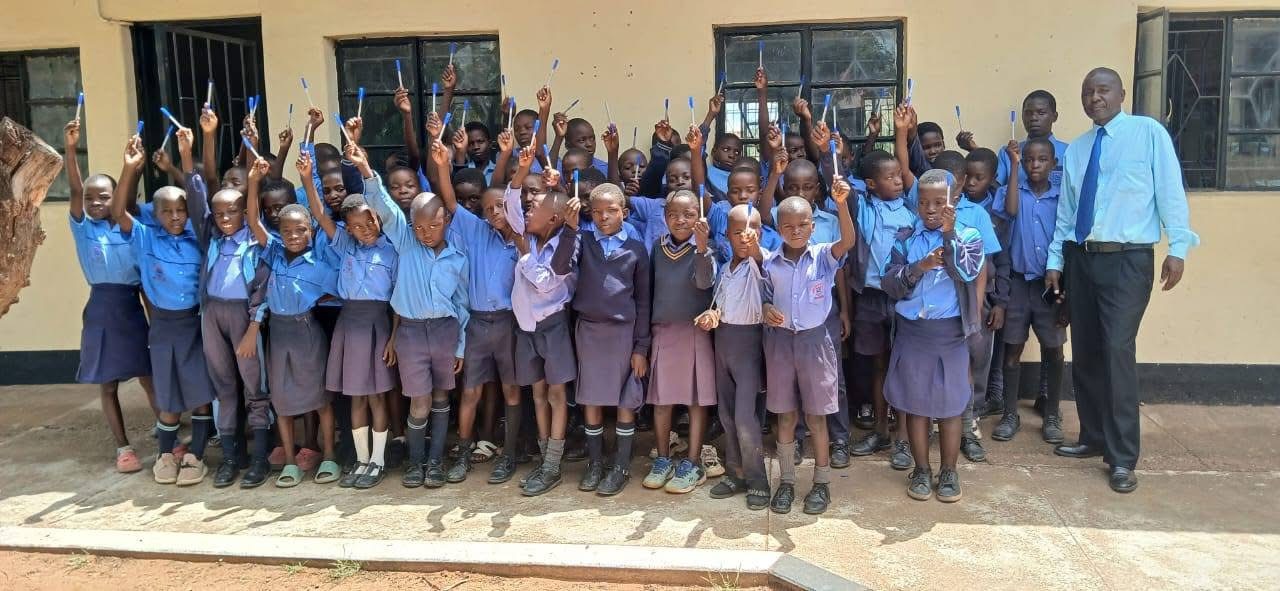
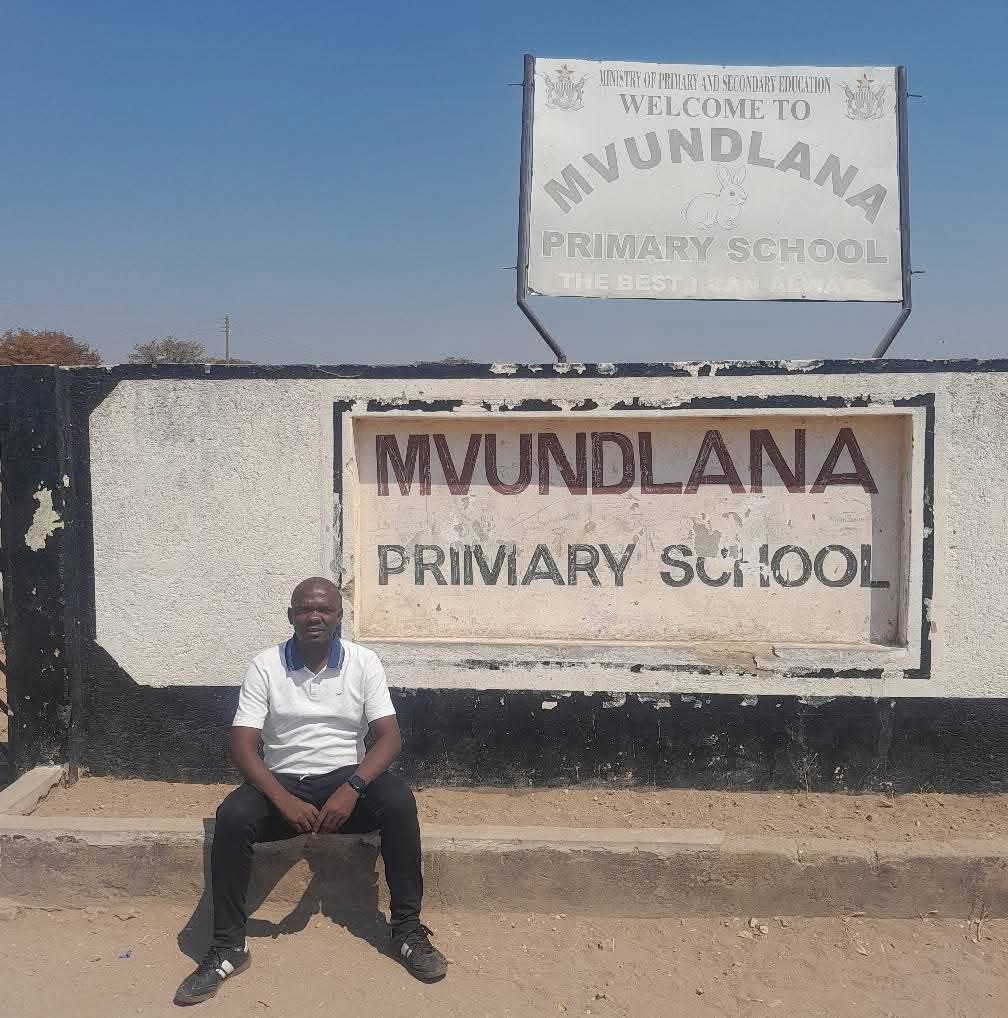
For Obert Dube, a renowned African poet, the stage is no longer just a place for performance; it has become a platform for a massive humanitarian effort aimed at Zimbabwe’s most vulnerable children. Since November, Dube has traversed the rugged terrains of Matabeleland North and South, visiting over 100 schools to provide essential supplies to students who, much like his younger self, are struggling to stay in the classroom.
Advertisement

Obert Dube

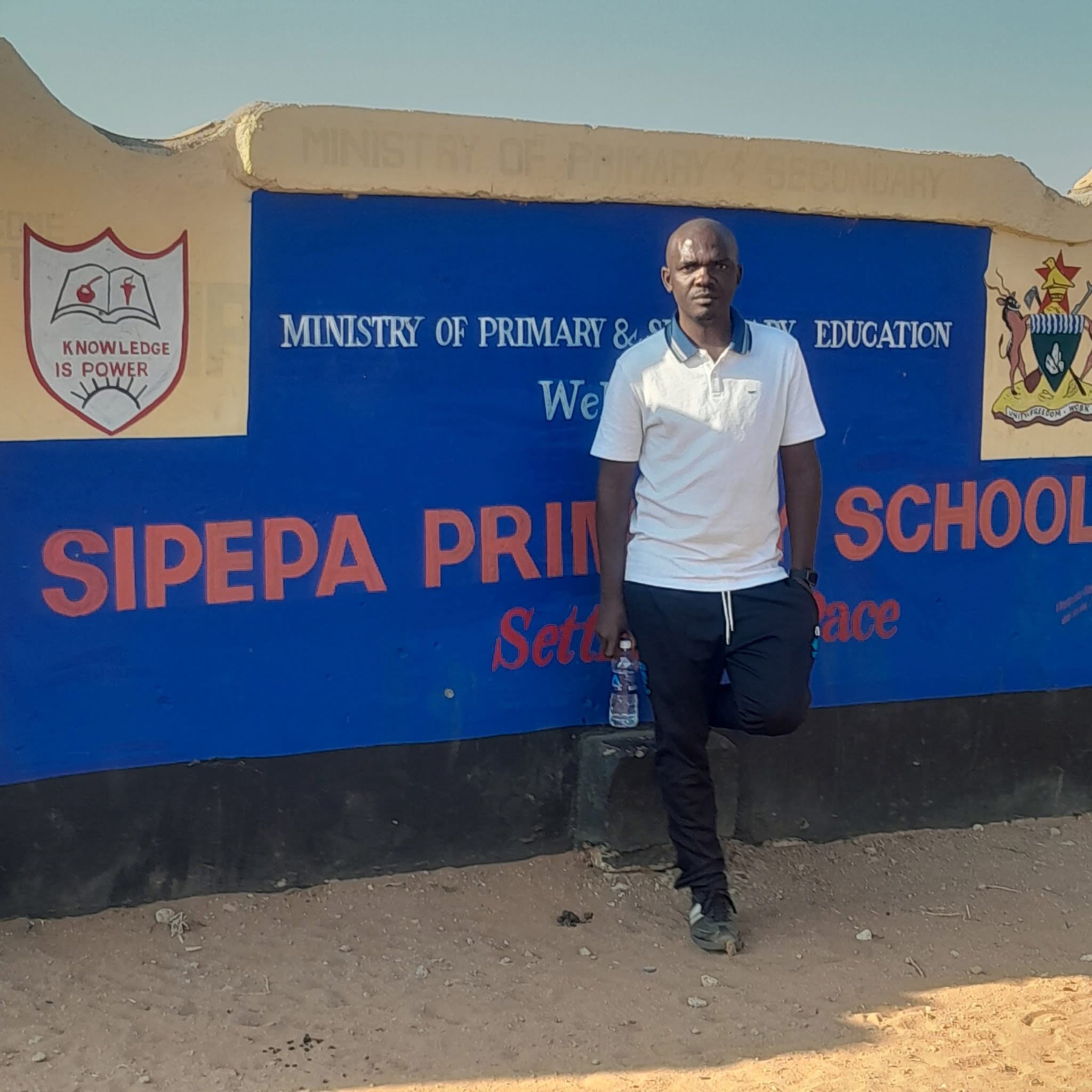
Dube, who describes himself as an “African poet… born and bred in Zimbabwe,” has dedicated his career to what he calls a “mission of mercy.” His work focuses on children who are often forced to drop out due to a lack of school fees or basic stationery. “I’m an African poet… a philanthropist engaged in a special mission,” Dube said in a recent interview. “I help vulnerable children… who sometimes fail due to school fees. Some approach me for help with registering for examinations.”
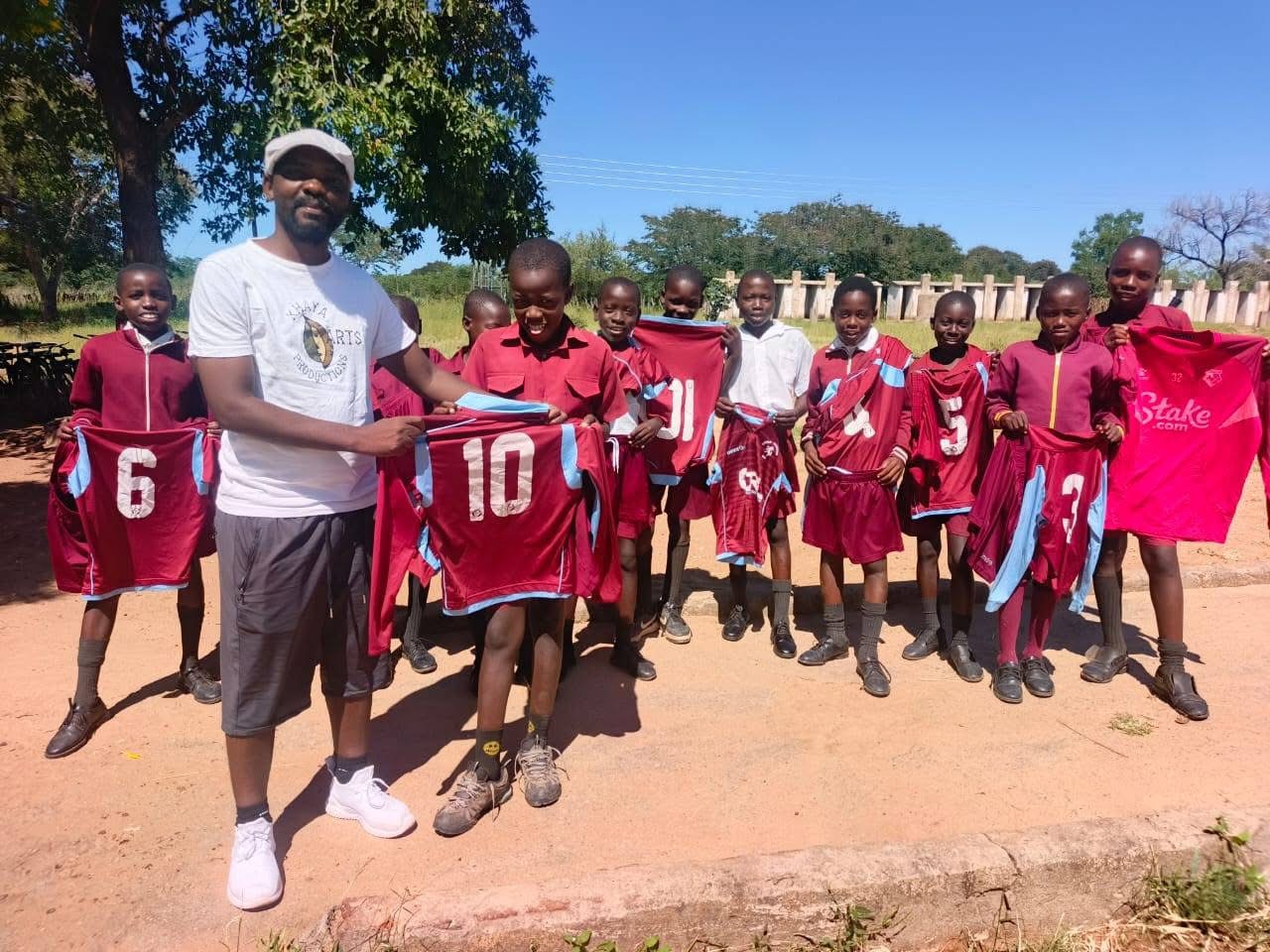
The poet’s motivation is deeply rooted in his own childhood trauma. Raised by a widowed mother who passed away before his final exams, Dube became a “child parent” at a young age. He recalls the humiliation of attending school in borrowed uniforms and the struggle of trying to learn without the most basic tools. “I remember some raised by elderly grandparents… their parents are passed on,” Dube explained, noting that many guardians cannot afford books. “They will spend the rest of the time at school without writing, and that is what is contributing to low pass rates.”
To fund this initiative, Dube allocates 30 percent of his earnings from every performance to purchase stationery and pay school fees. His reach has expanded to districts including Nkayi, Binga, Lupane, and Hwange. While he started alone, his social media presence has attracted global support, including a Zimbabwean-born UK citizen who recently donated football kits for the schools. “This is a different thing collectively that builds helping our own communities,” Dube said.
Advertisement
Continue Reading

Binga

Lawmaker urges localized climate strategies for Tsholotsho, Hwange

Published

on

BY NOKUTHABA DLAMINI

A Shamva South lawmaker has called for a radical shift in climate change mitigation strategies, demanding that the government abandon “one-size-fits-all” projects in favor of solutions that respect the unique geography and culture of districts like Tsholotsho, Hwange, and Binga.

Advertisement

During the debate on the Climate Change Management Bill, Joseph Mapiki argued that national programs often fail because they ignore local realities.

“We should look at our projects in terms of the area,” Mapiki told the National Assembly. “For example, in Tsholotsho and Hwange, where there are game parks, we cannot force them to do horticulture because there is no water. We should encourage them to engage in tourism”.

Mapiki also challenged the government’s staffing policies for climate initiatives, insisting that local language and cultural knowledge are essential for the success of any environmental committee.

Advertisement

“If someone from Mashonaland Central goes and is incorporated in a Committee in Binga, it means that the Committee will not function well because that person will not be conversant with the language,” he argued.

He further emphasized that “First preference should be given to the locals to avoid taking people from other areas… because those other people will not be aware of the language and culture of the people there”.

Beyond staffing and local projects, Mapiki raised concerns about the influence of international donors on Zimbabwe’s environmental policy.

Advertisement

He urged the government to ensure that the majority of climate funding is domestic to avoid “stringent measures and conditions” imposed by foreign entities.

“Our plea Hon. Minister, is that 98% funding for that Bill should be from Zimbabwe,” Mapiki stated.

“Foreign funding is hampering our progress”. His remarks were supported by other MPs who noted that climate change mainstreaming must include the “vulnerable communities” and “local authorities” who are on the frontlines of weather shocks in the province.

Advertisement

Continue Reading

Trending

Copyright © 2022 VicFallsLive. All rights reserved, powered by Advantage