Connect with us

In the community

Crocodile attacks on the rise: Zimparks sounds alarm

Published

on


BY NOKUTHABA DLAMINI

Advertisement

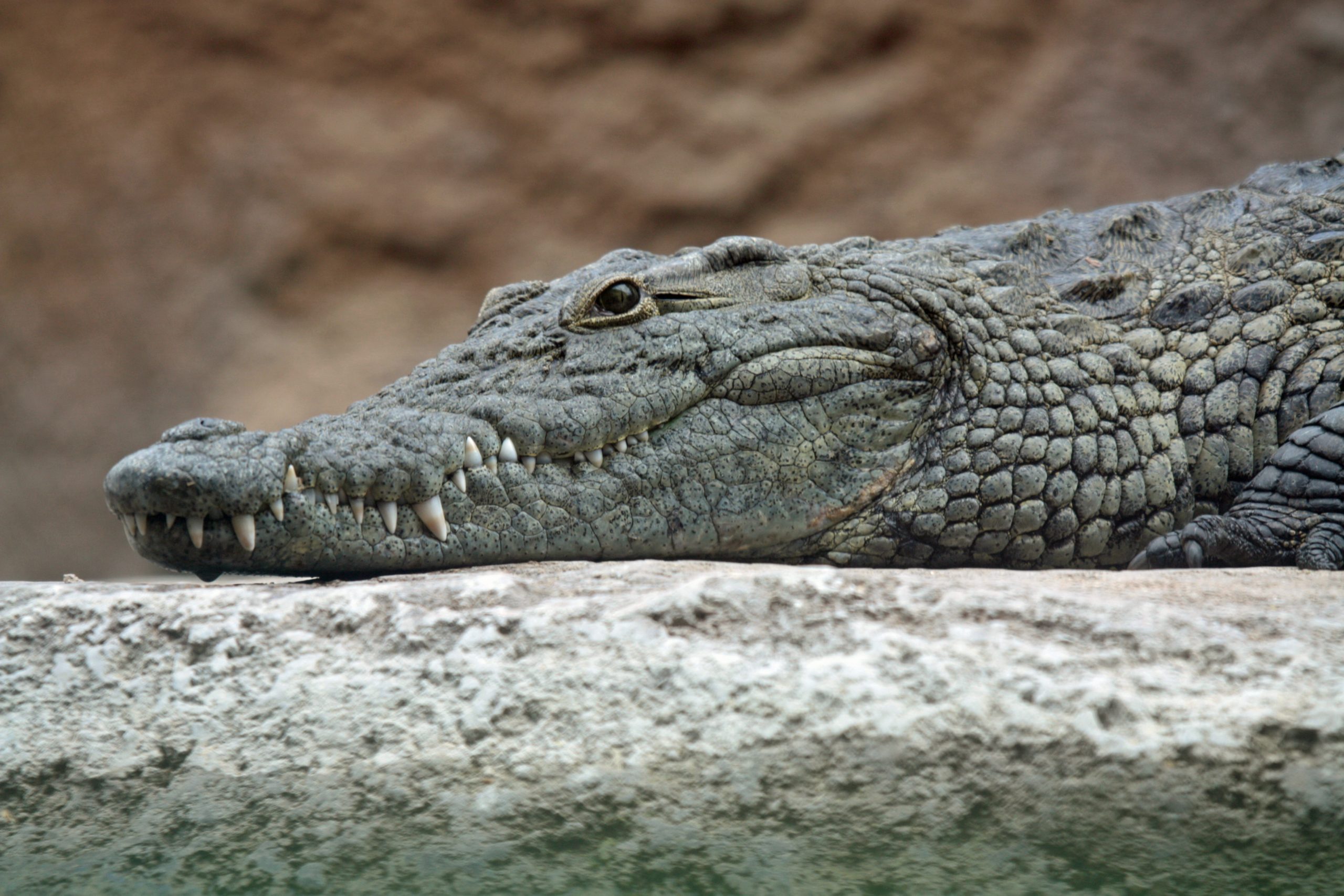
A surge in human-crocodile conflicts has prompted the Zimbabwe Parks and Wildlife Management Authority (ZimParks) to issue a warning to the public to exercise extreme caution when near water bodies.

According to ZimParks, over 20 incidents of crocodile attacks have been reported in the past two months, resulting in eight fatalities and three serious injuries. The attacks have also posed a threat to livestock.

The most affected areas include the South East Lowveld, specifically Lundi, Tokwe Mukosi, and Lake Mutirikwi, which have recorded six incidents. The Central Region, including Munyati River, Kwekwe River, and Sebakwe River, has seen five incidents, while the Mid Zambezi area, comprising Lake Kariba, Hunyani River, and Angwa River, has also recorded five incidents.

Advertisement

ZimParks is urging the public to remain alert and take necessary precautions when engaging in domestic activities near water bodies.

Livestock owners are advised not to leave their animals unattended near rivers or lakes, as they may become easy targets for crocodiles.

“In light of these, the authority urges the public to exercise extreme caution around water bodies and remain alert while engaging in domestic activities near these areas to minimise the risk of crocodile attacks,”Zimaparks cautioned in a press statement.

Advertisement

“To minimize the risk of conflict with crocodiles, livestock should not be left unattended near rivers or lakes to prevent them from becoming easy targets for crocodiles.”

The authority reiterated its commitment to promoting coexistence between humans and wildlife, ensuring safety and fostering respect for wildlife for the benefit of present and future generations.

Advertisement
Continue Reading
Click to comment

Leave a Reply

Your email address will not be published. Required fields are marked *

In the community

Elephant kills villager in Nkayi, authorities launch investigation

Published

on

BY NOKUTHABA DLAMINI

An elephant trampled a villager to death overnight in Mthoniselwa village in Ward 13 of Nkayi district, local authorities said on Sunday, in the latest human-wildlife conflict incident in the area.

Advertisement

The fatal attack occurred in the early hours of the morning, according to community leaders, who said the victim was attacked near the homestead.

“We have received a report from our Lupane Investigations Office regarding a tragic incident in Mthoniselwa village, Ward 13 of Nkayi, where a villager was trampled by an elephant,” said Zimbabwe Parks and Wildlife Management Authority (ZimParks spokesperson Luckmore Safuli.

“Further details regarding the identity and circumstances surrounding the deceased are still pending. ZimParks personnel are actively conducting assessments in the area to gather more information. Additionally, the Nkayi Rural District Council officers, in collaboration with the Zimbabwe Republic Police, are on site to investigate the incident and conduct community awareness initiatives,” Saffouli added.

Advertisement

A message circulated in local community groups earlier in the day alerted residents to the incident and urged caution.

“We received a sad report from police this morning of a person who was attacked and killed by an elephant at night in Mthoniselwa, Ward 13. ZimParks has been notified and a ranger is on the way to track the elephant,” the message read.

Community leaders also urged residents to report the presence of dangerous wildlife and to remain vigilant to avoid further tragedies.

Advertisement

Zimbabwe has in recent years recorded a rise in human-wildlife conflict cases, particularly involving elephants, as animals stray into villages in search of food and water.

Advertisement
Continue Reading

In the community

Grade 2 pupil and neighbor die in gas-filled well in Nkayi

Published

on

BY NOKUTHABA DLAMINI 

A Grade 2 pupil and a young man died on Thursday in a tragic incident at a neighbor’s well in Nkayi Ward 19, after being overcome by suspected carbon monoxide and a total lack of oxygen.

Advertisement

The tragedy unfolded near Nkayi Primary School area when the young student was reportedly sent into the well by an elderly man  to retrieve a bucket that had fallen to the bottom.

He reportedly lured him on the promise of buying him sweets.

When the child failed to resurface, a neighbor entered the shaft in a desperate rescue attempt.

Advertisement

Councillor Thubelihle Mabuza Ncube, who visited the scene on Friday, described the harrowing moments that led to the double fatality. “What happened, we understand, is that a bucket fell into the well and the boy, whose mother was not at home at the time, was lured to get in an retrieve it in exchange of sweets and things,” Ncube said. “It is said there was carbon [monoxide]… there was no oxygen at all at the bottom and that’s how he died”.

According to the councillor, the second individual who had reportedly sent the child to fetch the bucket in the well reached the bottom and was briefly able to interact with the child before being overwhelmed . “He reached the bottom, but [the gas] overcame him,” Ncube explained. “He reportedly tapped the child, but then he was overcome by that carbon and lack of air… They both died in the water “.

A third person attempted to enter the well but immediately signaled to be pulled out, reporting a suffocating heat and a total lack of oxygen inside the shaft.

Advertisement

The councillor expressed deep distress over the decision to send a young child into the well. “It is very painful… a Grade 2 pupil being sent into the well by elders to go and retrieve a container from the bottom,” Ncube said, noting that it appeared the community had grown accustomed to such tasks.

Due to the extreme danger posed by the air quality, rescuers were unable to physically enter the well to recover the bodies. Instead, villagers were forced to use a makeshift tool to retrieve the deceased from the surface.

“They were finally taken out not by being fetched from below; instead, they ended up using something like a wire to pull them because people were afraid to enter where that gas was,” Ncube said.

Advertisement

The incident has left the Nkayi community in mourning. “Nkayi is hurting deeply,” the councillor added. “It is a very painful situation”.

The accused has been charged by the police, according to the councillor,

Advertisement
Continue Reading

Binga

Lawmaker urges localized climate strategies for Tsholotsho, Hwange

Published

on

BY NOKUTHABA DLAMINI

A Shamva South lawmaker has called for a radical shift in climate change mitigation strategies, demanding that the government abandon “one-size-fits-all” projects in favor of solutions that respect the unique geography and culture of districts like Tsholotsho, Hwange, and Binga.

Advertisement

During the debate on the Climate Change Management Bill, Joseph Mapiki argued that national programs often fail because they ignore local realities.

“We should look at our projects in terms of the area,” Mapiki told the National Assembly. “For example, in Tsholotsho and Hwange, where there are game parks, we cannot force them to do horticulture because there is no water. We should encourage them to engage in tourism”.

Mapiki also challenged the government’s staffing policies for climate initiatives, insisting that local language and cultural knowledge are essential for the success of any environmental committee.

Advertisement

“If someone from Mashonaland Central goes and is incorporated in a Committee in Binga, it means that the Committee will not function well because that person will not be conversant with the language,” he argued.

He further emphasized that “First preference should be given to the locals to avoid taking people from other areas… because those other people will not be aware of the language and culture of the people there”.

Beyond staffing and local projects, Mapiki raised concerns about the influence of international donors on Zimbabwe’s environmental policy.

Advertisement

He urged the government to ensure that the majority of climate funding is domestic to avoid “stringent measures and conditions” imposed by foreign entities.

“Our plea Hon. Minister, is that 98% funding for that Bill should be from Zimbabwe,” Mapiki stated.

“Foreign funding is hampering our progress”. His remarks were supported by other MPs who noted that climate change mainstreaming must include the “vulnerable communities” and “local authorities” who are on the frontlines of weather shocks in the province.

Advertisement

Continue Reading

Trending

Copyright © 2022 VicFallsLive. All rights reserved, powered by Advantage