
In the community
Starving in silence: The plight of rural Mat’land communities


BY NOKUTHABA DLAMINI
In the scorching rural outskirts of Victoria Falls, a heartbreaking encounter at the Ndlovu turn-off bus stop revealed the harsh reality of Zimbabwe’s deepening food insecurity crisis.
The country’s Constitution (2013) guarantees every person the right to food and water (Section 77(a), but the harsh reality on the ground tells a different story. Completely different from what the government officials have.
A frail 70-year-old man from Chisuma, struggling to speak and walk due to hunger, exposed the dire situation faced by many in Matabeleland North province.

Jonathan Sibanda’s story is a stark representation of the devastating impact of drought and El Niño effects on vulnerable communities in Hwange and beyond.
With his wife ailing and two orphaned grandchildren to care for, he embarked on a desperate journey to the Social Welfare headquarters in Hwange, seeking assistance.
“I am going to the Social Welfare offices in Hwange to plead for help,” he said as he waited for a ride to embark on a 70-kilometer journey to the offices on Monday.
“The orphans I am taking care of are in grades five and seven; they are mine because one was my late son’s, and the other was my daughter’s.
“At home, there is nothing. I have been trying to ask my neighbors where I can work to clear fields and dig trenches in exchange for mealie-meal, but they are also getting tired of my pleas.”
For the day, Sibanda says they eat porridge in the morning, often without nutritional value or at least sugar, and wait for the next day or evening if there is any mealie-meal.
“We eat porridge every day, but I am always sick because sometimes we sleep without food.
“I am on antiretroviral therapy, which requires me to take four tablets every evening, but it’s hard because I even struggle to do some piece jobs because my legs, arms, and back ache,” he said as he tried to balance with his wooden stick.

Daina Maseko (70) from Hwange is also appealing for food aid as she struggles with starvation. She’s alone, on antiretroviral drugs and has a bone illness.
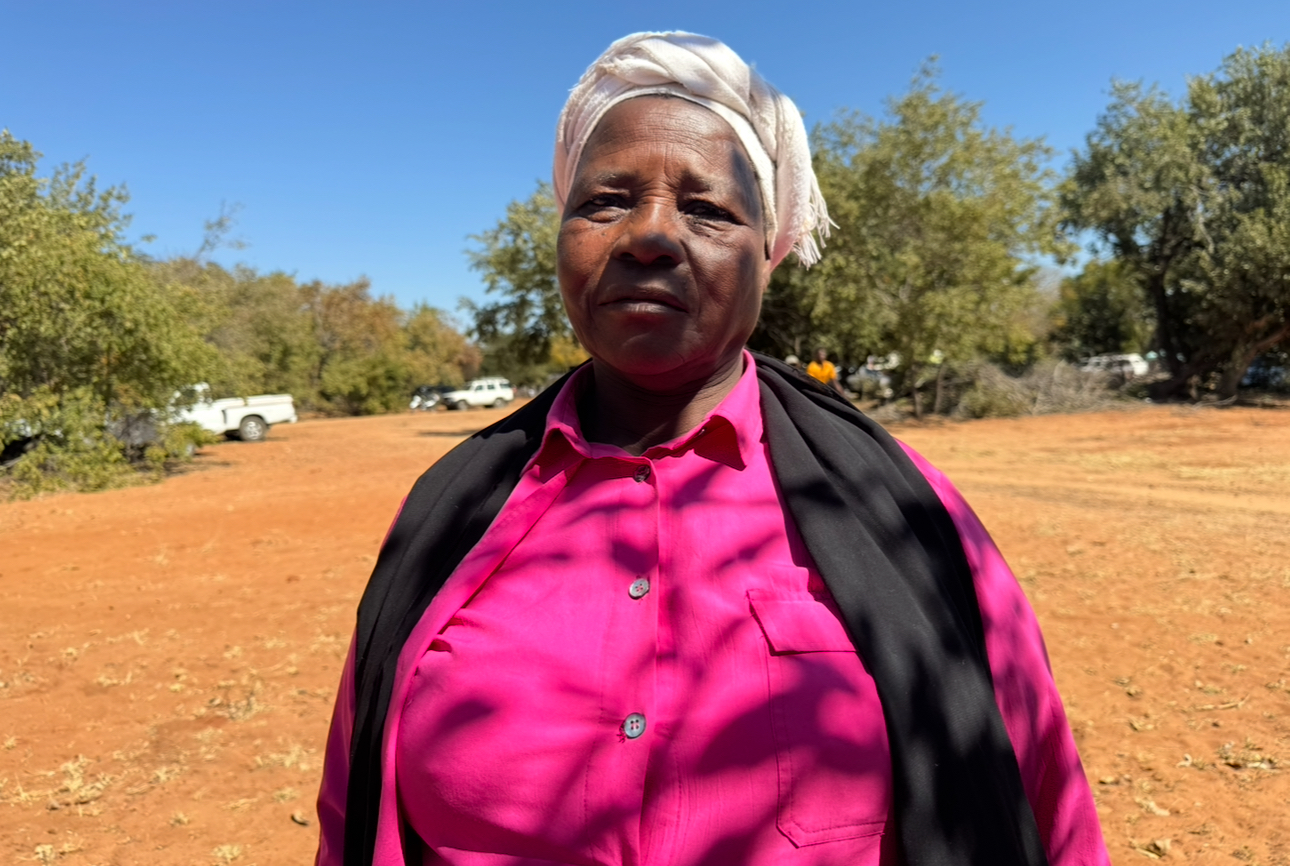
Daina Maseko
“As an elderly person living with HIV and a bone illness, I’m finding it hard to cope with the devastating effects of the drought,”she says.
But it’s not just me, I worry about the children and pregnant womne in my community who are also going hungry. They’re the future of our nation, and it’s heartbreaking to see them suffering like this. Children are fainting in school, their parents struggling to feed them… It’s a desperate situation.”
In June, at Chimbombo Primary School, a nine-year-old girl fainted due to starvation.
Her grandmother, Elitha Dube, says the incident happened on her way from school as they had spent two nights without food.
The Sadc Gender Protocol, a regional instrument that aims to promote gender equality and women’s empowerment in Southern Africa, in its framework for member in Article 16: sets out the right to food security and nutrition
“Women have the right to food security and nutrition. States shall ensure that women have equal access to food and nutrition, and shall take measures to ensure that women are not denied access to food and nutrition…”
However, Hwange district medical officer, Fungai Musimani’s recent revelation of a rising number of malnutrition cases in the district shows a different realistic picture.
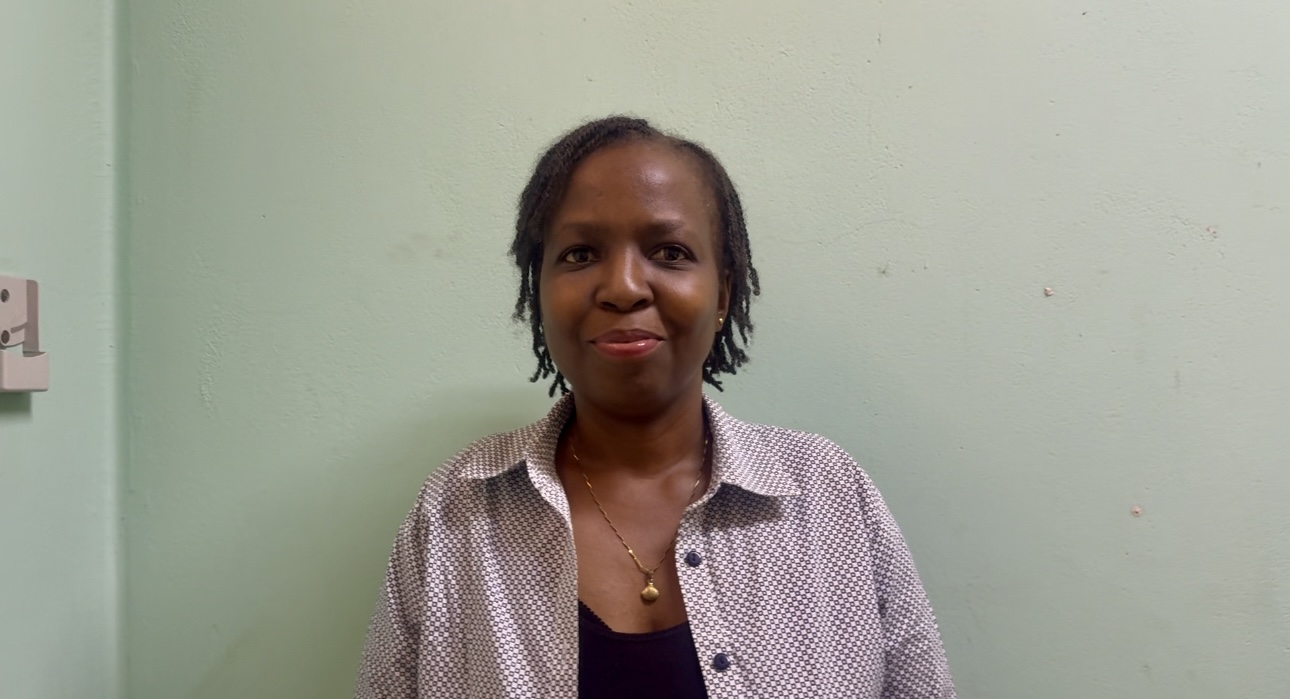
Dr Fungai Musinami
She says young children, pregnant and lactating women, elderly people, and people with disabilities top the list of vulnerable individuals in the district and the province at large.
“I have treated elderly women with kwashiorkor, and in general, people lack foods with minerals, iron, and vitamins. The situation is dire throughout the region.”
Area councilor Given Moyo echoed similar concerns, highlighting the government’s failure to provide adequate food aid to struggling rural communities.

“Everyone is hungry in this community, and we all need food,” he said.
“When the Social Welfare programs come, people lack empathy due to starvation, so most vulnerable individuals end up being left out because they don’t get nominated.
“As you see this man here (Sibanda), I advised him to go to the offices because we report these pleas to them, but the reaction shows that they think these issues are fabricated.
“I have a long list of people that I have forwarded to the offices including the widows, unemployed people, the elderly, the list is endless yet they claim (government) that all is inorder. That is not true.”
Alarming mid-term statistics from Finance Minister Mthuli Ncube paint a grim picture: 520 524 people in Matabeleland North province struggle to access basic nutrition.
The region, battered by severe El Niño effects, is in dire need of assistance, but Ncube insists that all is inorder in-terms of food distribution.
The government has distributed 1 839.2 metric tonnes of grain, this represents a mere 16% of the required 11 711.8 metric tonnes needed to sustain the population for three months.
Matabeleland North province minister of Provincial Affairs and Devolution, Richard Moyo says response will be crucial in mitigating this disaster.
“It is not enough, but we now have Isiphala seNkosi program to add into the social welfare programs. We also have donor community also joining us, but at this point, we understand their plight and it is crucial that we uplift these communities.”Moyo notes.
As the food insecurity crisis deepens in the country, this year researchers say approximately seven million people’s lives of vulnerable communities hang in the balance.

-

 Slider3 years ago
Innscor launches brewery to produce Nyathi beer
-
 National5 years ago
In perched rural Matabeleland North, renewable energy is vital
-

 Tourism and Environment4 years ago
Strive Masiyiwa’s daughter opens luxury Victoria Falls lodge
-

 Special reports4 years ago
Tinashe Mugabe’s DNA show’s popularity soars, causes discomfort for some
-

 Opinion4 years ago
A street art mural in Zimbabwe exposes a divided society
-

 National4 years ago
Victoria Falls’ pilot dies in helicopter crash
-

 National3 years ago
Commission of inquiry findings fail to be tabled as Victoria Falls councillors fight
-

 National3 years ago
Hwange coal miner fires workers over salary dispute