Connect with us

National

Zambezi water beckons for Bulawayo as Zanu PF eyes 2023 vote

Published

on

BY GODFREY MARAWANYIKA AND ANTONY SGUAZZIN

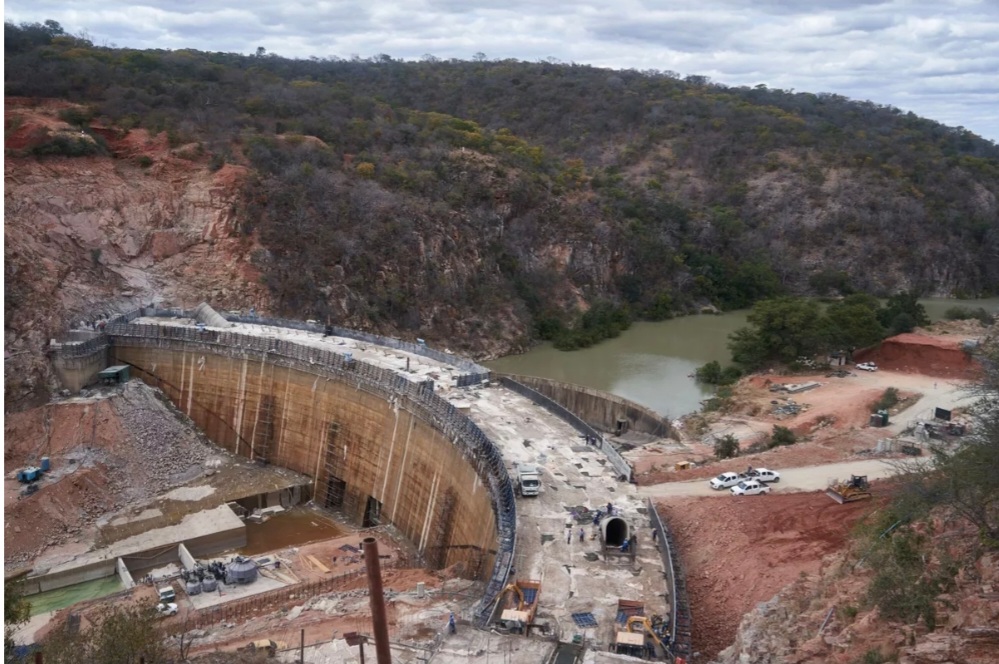
A US$42 million dam a century in the making could end water shortages for more than half a million Zimbabweans – and win votes for the ruling party in an opposition stronghold that may decide next year’s presidential election.

Advertisement

The expected completion early in 2023 of the Gwayi-Shangani dam 153 miles North West of Bulawayo is part of a strategy by President Emmerson Mnangagwa’s ruling Zanu PF to capture votes in the country’s long-neglected second-largest city, according to analysts.

Zanu PF has traditionally struggled to make inroads into urban areas in the province, an area dominated by the minority Ndebele ethnic group.

“It’s a total shift,” said Alexander Rusero, an independent political analyst. “It’s a low-hanging fruit politically and economically.

Advertisement

Strategically it is noticeable when a region that has been barren for too long in terms of development gets priority.”

After former president Robert Mugabe, a member of the majority Shona ethnic group, came to power in 1980, the city saw little in the way of investment, rapidly falling behind the capital, Harare, where roads, flashy new buildings and stadiums were built.

A military crackdown on a Matabeleland-based opposition group in the 1980s saw massacres in which human rights groups estimated 20,000 Ndebele died.

Advertisement

The investment comes at a time when the rest of Zimbabwe’s economy is ailing, with inflation at 257 percent and the country unable to service more than US$13 billion in debt.

Formal employment has collapsed and daily power outages last 10 hours, boosting opposition to Mnangagwa and increasing the importance of Bulawayo.

“We are seeing what amounts to an avalanche of development projects and presidential level visits as well as other initiatives,” said Eldred Masungure, a politics lecturer at the University of Zimbabwe in Harare.

Advertisement

In addition to the dam, which is being built by China International Water & Electric Corp., the government is pushing for the completion of power-plant expansions in the north of the Matabeleland province and is fixing roads in the city and rebuilding doctors’ quarters that were razed by a fire at its largest hospital.

“Whenever and wherever the party identifies a problem we will act on it regardless of whether it will gain votes,” said Archbold Chiponda, Zanu PF’s Bulawayo provincial secretary for information and publicity.

“If that translates to more votes then what a pleasure.”

Advertisement

The dam, which was first proposed in 1912, could finally end chronic water shortages in drought-prone Bulawayo. It caps decades in which the city has considered unfeasible plans – from tapping a reservoir contaminated with sewer water to building a US$5 billion pipeline to the Zambezi River.

Now, its existing sources of water, smaller dams on the city’s outskirts, have been drained by recurrent droughts.

That’s led to frequent shortages with residents and businesses often forced to buy water for everyday use from private vendors who truck the commodity in from boreholes elsewhere.

Advertisement

“When we approach the dry season we only have water once in a while,” said Gilbert Mnyamana, 63, as he draws water from a well to tend a vegetable patch in Cowdray Park, an overcrowded and impoverished suburb in Bulawayo.

“We then go dry for a while.”

The dam wall, when complete, will stand 72 meters (236 feet) tall, holding back a reservoir that can supply enough to meet Bulawayo’s needs three times over.

Advertisement

A pipeline is being built to bring the water to the city. After a century of waiting, residents of a city where lugging 25-liter (7-gallon) buckets home from boreholes has become a daily chore are ready for it.

“The dam is our hope,” said Thembelani Dube, secretary general of the Bulawayo Progressive Residence Association.WASHINGTON POST

Advertisement
Continue Reading
Click to comment

Leave a Reply

Your email address will not be published. Required fields are marked *

National

Malaria surge persists in Zimbabwe despite interventions, rural communities struggle

Published

on

BY NOTHANDO DUBE

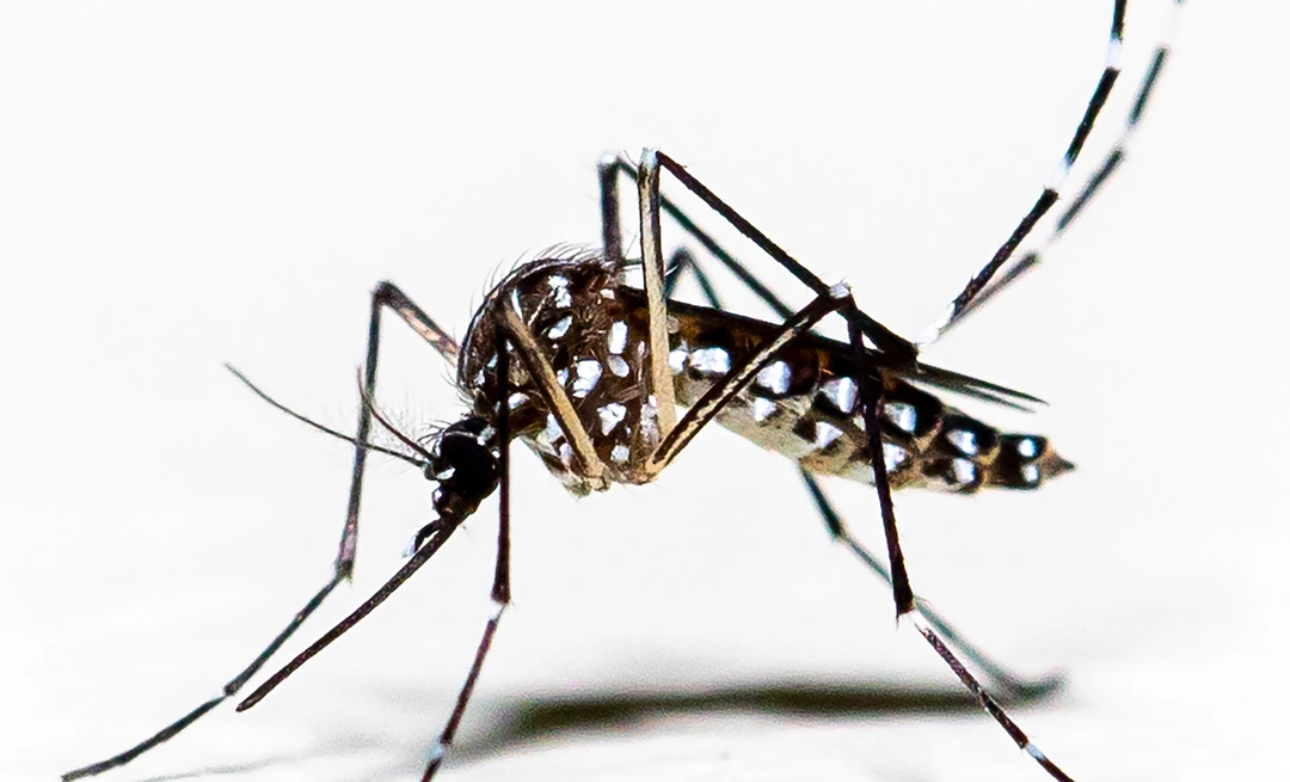
Zimbabwe is experiencing a sharp rise in malaria cases in 2026, with health experts warning that funding gaps, climate pressures and persistent transmission in high-risk areas are reversing years of progress.

Advertisement

Latest figures from the Ministry of Health show that by mid-April, the country had recorded over 65 000 malaria cases and 174 deaths, nearly double the numbers reported during the same period in 2025. The increase follows the premature closure of the Zimbabwe Assistance Programme in Malaria (ZAPIM), which had supported key prevention and control efforts.

Save the Children said the end of the programme has contributed to shortages of insecticide-treated mosquito nets, delays in vector control operations and weakened disease surveillance, particularly in vulnerable rural communities.

The Community Working Group on Health (CWGH) also warned that Zimbabwe recorded 154 000 malaria cases and 423 deaths in 2025, linking the continued spread of the disease to erratic rainfall, flooding and rising temperatures that have expanded mosquito breeding sites.  

Advertisement

In malaria-prone districts such as Binga, frontline health workers say the disease remains difficult to contain despite ongoing interventions.

Village health worker Margaret Bernard from Tindi said communities continue to receive support, including mosquito nets, medication and other supplies, but challenges persist.

“We do get assistance to fight malaria because Binga is prone to the disease. We receive mosquito nets, medication and other support,” she said. “But even with these interventions, it is still difficult to fully contain malaria here. The cases keep coming, especially during the rainy season.”

Advertisement

Zimbabwe had previously made significant progress in reducing malaria cases, with infections dropping sharply between 2023 and 2024 due to sustained investment and coordinated efforts. However, experts warn that without renewed funding and stronger community-level responses, those gains could be lost.

“Malaria remains preventable and treatable, but deaths are rising again,” CWGH said, calling for urgent action to strengthen prevention, improve treatment access and secure long-term funding.

Advertisement
Continue Reading

National

EcoCash launches all-in-one super app

Published

on

BY STAFF REPORTER 

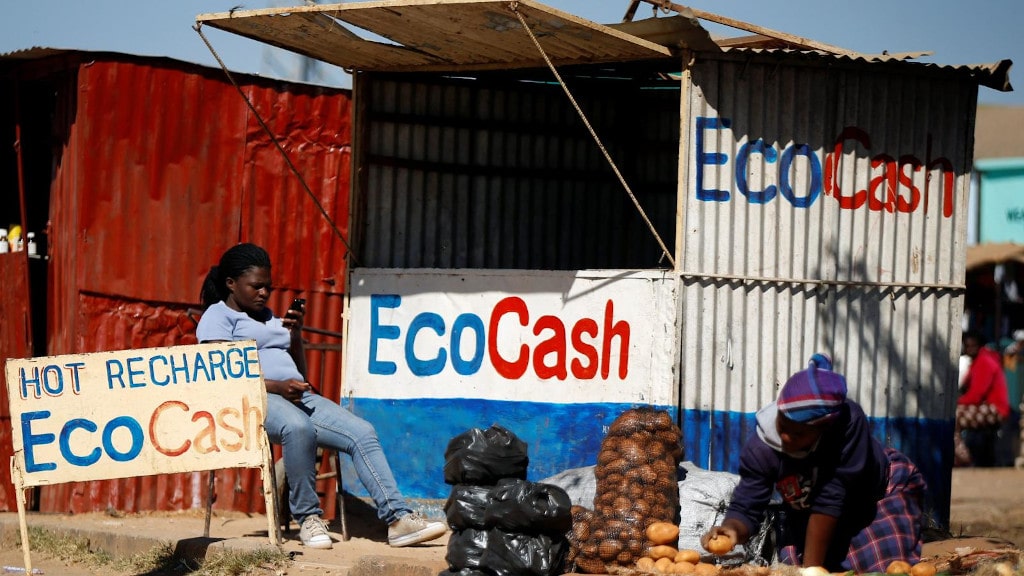
Leading fintech platform EcoCash has launched an all-in-one “super app” integrating payments, chat and lifestyle services into a single platform, in a push to deepen digital financial inclusion.

Advertisement

Developed by Sasai Fintech, a unit of Cassava Technologies, the app signals EcoCash’s shift towards a fully integrated digital and social ecosystem that goes beyond traditional payments.

In a statement, EcoCash said the platform responds to growing demand for seamless, mobile-first solutions that combine communication and transactions.

“With mobile devices now central to how people live, work and transact, we have reimagined the EcoCash app to deliver a secure, convenient and integrated digital experience,” the company said.

Advertisement

A key feature is social payments, allowing users to send and receive money within chat conversations without switching apps. The platform also includes automated bill-splitting, enabling users to divide shared costs in real time.

The app integrates merchant payments, bill settlements, and airtime and data purchases into a single interface, aiming to reduce transaction time and data costs.

EcoCash said the platform also supports content monetisation, allowing users to create and earn income directly, targeting Zimbabwe’s growing community of digital creators and small businesses.

Advertisement

The company said the super app forms part of a broader innovation pipeline that will include stablecoin-based remittances and other digital financial services, supported by investments in artificial intelligence.

Sasai Fintech recently partnered with Circle, an internet financial platform company, to advance stablecoin adoption in Africa.

Advertisement
Continue Reading

National

Zimbabwe approves US$92 million Victoria Falls infrastructure deal

Published

on

BY WANDILE TSHUMA

The government has greenlit a major public-private partnership (PPP) to develop critical bulk infrastructure within the Masuwe Special Economic Zone (MSEZ), a move aimed at transforming Victoria Falls into a premier international hub for finance and tourism.

Advertisement

The project, approved during the Tuesday cabinet meeting, establishes a commercial joint venture (CJV) between the state-owned Mosi Oa Tunya Development Company (MTDC) and the JR Goddard (JRG) Consortium.

According to the government briefing, the MSEZ is a “flagship national development project” established to “transform Victoria Falls into a diversified, high-value hub integrating tourism, financial services and sustainable real estate”.

Under the terms of the agreement, the JRG Consortium—which includes JR Goddard Pvt Ltd, Sesani Pvt Ltd, Stewart Scott Zimbabwe Pvt Ltd, and GGF Africa Pvt Ltd—will provide funding of US25.6 million.

Advertisement

This arrangement results in a shareholding structure of 39% for MTDC and 61% for the JR Goddard Consortium.

The infrastructure roadmap for the 1 200-hectare site is extensive. Planned works include the surfacing of 8 km of internal roads, the upgrading of 9 km of existing gravel roads, and the construction of a 13 km water pipeline designed to serve both the economic zone and neighbouring communities.

Additional developments will feature a package water treatment plant, a sewerage reticulation system, a power sub-station, and effluent re-use storage ponds.

Advertisement

Cabinet said the project was subjected to a “rigorous evaluation” in compliance with the Zimbabwe Investment and Development Agency (ZIDA) Act.

Officials believe the partnership will “catalyse high-value investment” and provide a “sustainable fiscal contribution to gross domestic product (GDP)” while creating downstream jobs.

The government said the project is expected to “catapult the transformation of Victoria Falls into a modern and vibrant economic development city, fulfilling the attainment of Vision 2030”.

Advertisement

The joint venture includes a 25-year structured profit recoup period and will be overseen by a board chaired by the MTDC to ensure alignment with the country’s National Development Strategy 2.

Located within the Kavango-Zambezi Transfrontier Conservation Area (KAZA-TfCA), the Masuwedevelopment is seen as a strategic pivot for Zimbabwe to diversify its tourism-dependent economy into a more robust financial services and real estate centre.

Advertisement
Continue Reading

Trending

Copyright © 2022 VicFallsLive. All rights reserved, powered by Advantage