Connect with us

Slider

Top tourism group sets up wellness spa in Victoria Falls

Published

on

BY NOKUTHABA DLAMINI 

The Africa Albida Tourism (AAT) group in Victoria Falls’  has started constructing a wellness spa, which is scheduled to open in October in yet another big development for the resort city’s leisure industry.

Advertisement

AAT’s Victoria Falls Safari Spa will be an addition to the group’s portfolio that already boasts of the Victoria Falls Safari Lodge, Victoria Falls Safari Club, Victoria Falls Safari Suites and Lokuthula Lodges.

The construction of the spa resumed last month following a two-year delay due to the uncertainties around the impact of Covid-19 on travel and tourism, AAT chief executive officer Ross Kennedy said in a statement.

“For two years we have had to look at the foundations that we started in March 2020 and to now see the contractors back on site and the project becoming a reality once more is a testament to the tourism recovery we are witnessing and contributing to,” Kennedy said.

Advertisement

“Regional competition requires us to be always reinvesting in our properties and products, and this is just one of the additions we have planned.

“We are required to create competitive differentiators whilst at the same time enhancing the destination offerings to a wider audience

“The health and wellness market is rapidly growing and we believe that Victoria Falls Safari Spa will allow us to fully enter this market.

Advertisement

“The layout and design allows us to add further treatments and therapies in the future.”
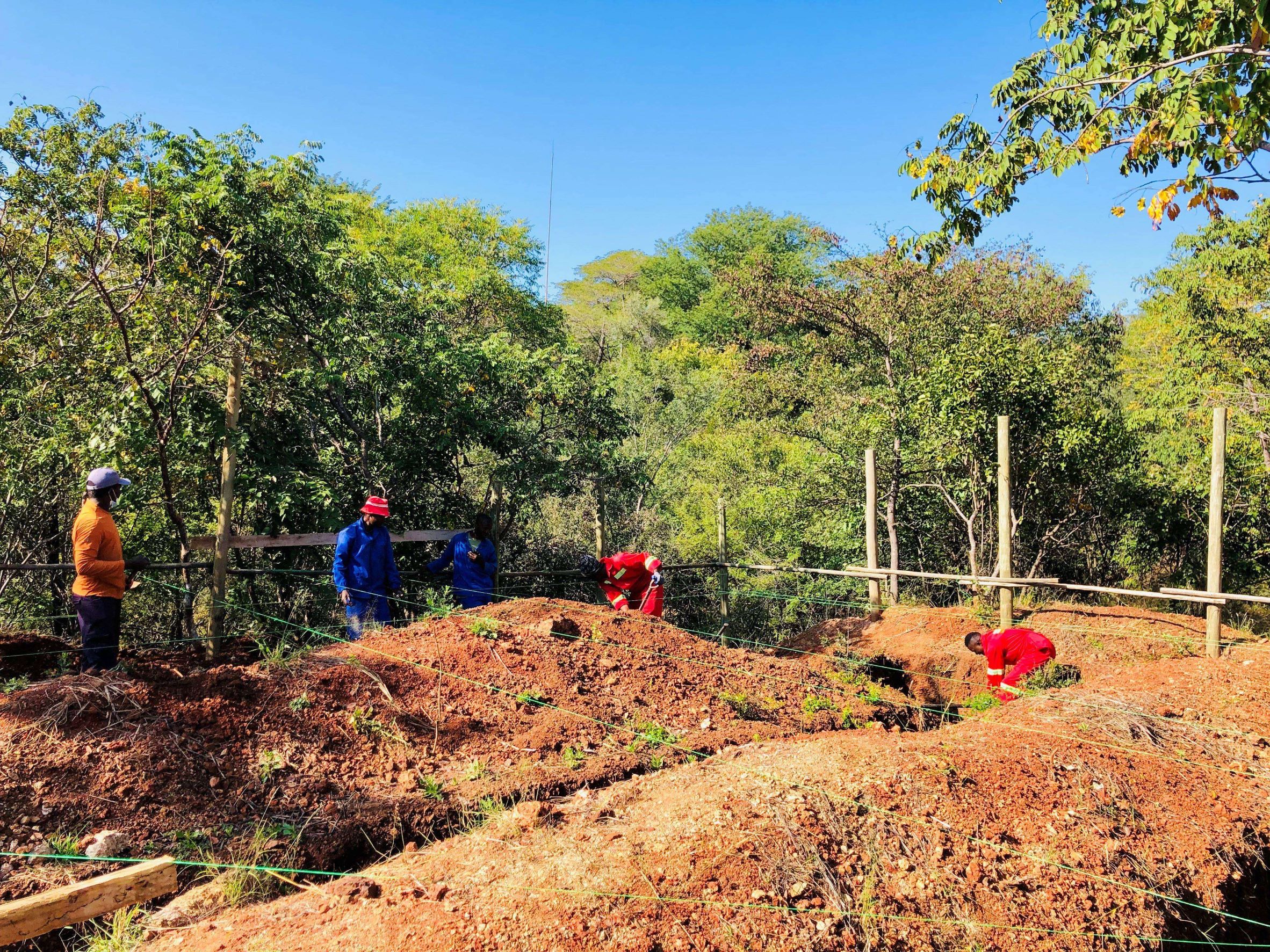
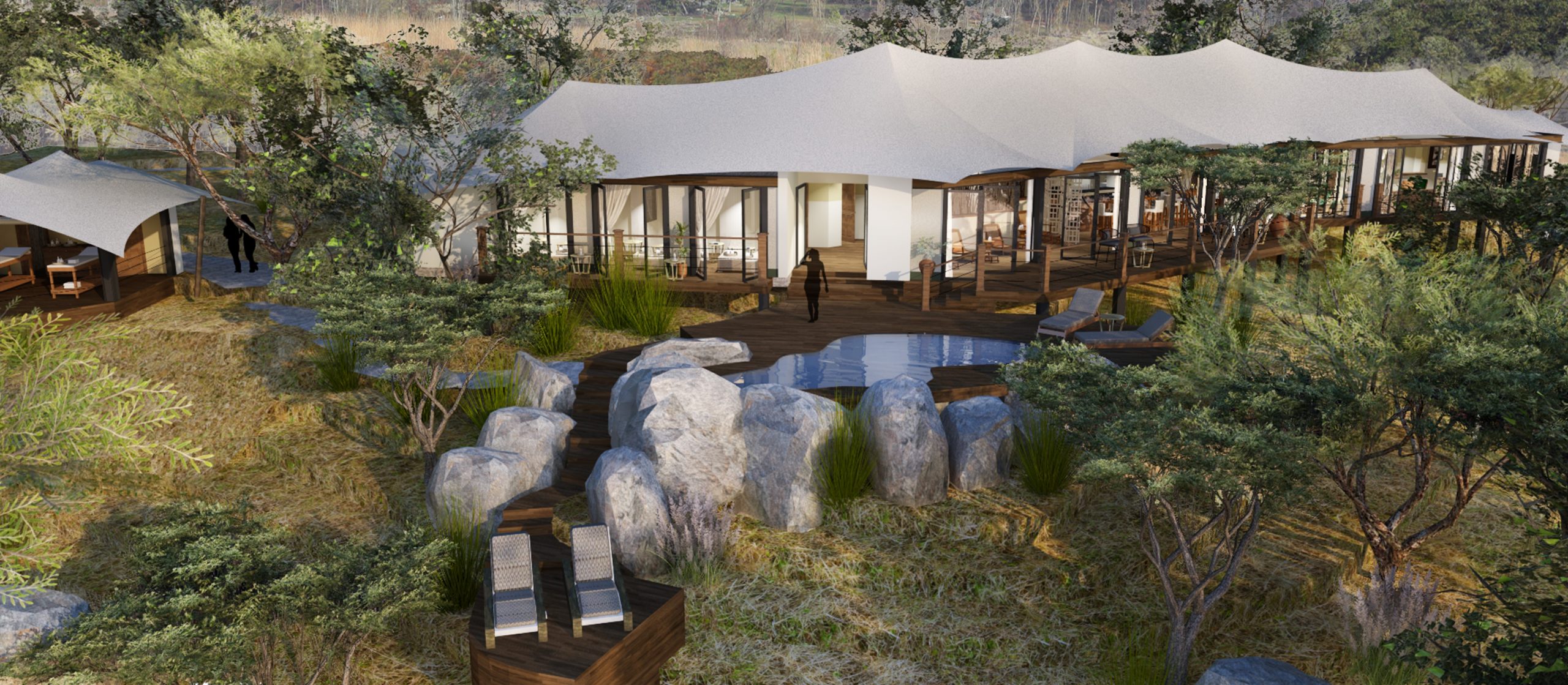
Construction work on the new Victoria Falls wellness spa has started

The spa will be located along a north facing ridge in indigenous woodland in a tranquil setting on the Victoria Falls Safari Lodge estate.

It will be built in harmony with its surrounds, under canvas, reminiscent of African safari tents and filled with ethnic fabrics and artefacts.

It will include a 280m₂ central area featuring manicure and pedicure stations, private relaxation rooms, a café serving healthy dishes, a hair salon and change rooms, including one that is wheelchair-friendly, as well as three outlying separate secluded treatment rooms (one double andtwo singles).

Advertisement

AAT said the Victoria Falls’ first destination spa will be ideal for wellness weekends, Monday to Thursday breaks, couples’ and wedding packages where bridal parties can be booked exclusively.

“Victoria Falls Safari Spa will be managed by Michele Vickery, who has 19 years’ experience as a beauty therapist, and treatments will include manicures, pedicures, waxing, tinting, facials, reflexology, body treatments, massages and hairdressing,” AAT said

“The design, décor and treatment menu at the spa, which is expected to create eight jobs, will reflect Victoria Falls, Zimbabwe, and the spa will use all-natural African products with plant-based ingredients.”
Advertisement

In the community

Foot and mouth disease outbreak in Mat North

Published

on

BY NIZBERT MOYO

The provincial Veterinary Department has urged farmers to comply with livestock movement regulations following an outbreak of the Foot and Mouth Disease (FMD) in some parts of Matabeleland North.

Advertisement

Acting provincial veterinarian Gwinyai Zhandire confirmed the outbreak to Southern Eye, saying the government has instituted movement controls, vaccination and active surveillance in the affected areas.

“There are some dip tanks affected in the Nyamandlovu area,” Zhandire said.

“The government has instituted movement controls and vaccination, and we are conducting surveillance.

Advertisement

“Farmers are encouraged to observe and comply with livestock movement regulations to prevent further spread.”

He highlighted that the rainy season increases the risk of other livestock diseases.

With tick populations on the rise, farmers should be vigilant against tick-borne illnesses such as Anaplasmosis (Gall Sickness), Theileriosis (January Disease), Ehrlichiosis (Heartwater) and Babesiosis (Redwater).

Advertisement

“Weekly dipping is encouraged to prevent transmission between animals,” Zhandire said.

He emphasised the importance of routine vaccination against other seasonal threats, including anthrax and lumpy skin diseases.

The outbreak has also affected farmers in the Umguza area, who have similarly been directed to adhere to animal movement restrictions.

Advertisement

Foot and mouth disease is a highly contagious viral disease that affects cloven-hoofed animals, including cattle, sheep and goats.

The disease is characterised by fever and the development of painful sores or blisters in the mouth and on the feet, often leading to severe lameness and a drop in productivity.

The virus spreads easily through direct contact between animals, as well as via contaminated equipment, vehicles and feed.

Advertisement

The disease can result in significant economic losses in the livestock industry due to trade restrictions and animal health costs.
Source: Southern Eye


Advertisement
Continue Reading

In the community

Brother-in-law jailed for repeated rape of mentally incompetent 16-year-old

Published

on

BY WANDILE TSHUMA

The Hwange Regional Magistrates’ Court has convicted and sentenced a 41‑year‑old man to 20 years’ imprisonment for the repeated rape of his 16‑year‑old sister‑in‑law, a mentally incompetent juvenile.

Advertisement

The court heard that the victim was staying at the offender’s homestead in Lupane. Between November 2024 and May this year, the offender exploited her mental incapacity and his position of trust to rape her on multiple occasions.

In the first incident, the offender’s sister pushed the victim into a bedroom where the offender was waiting, locked the door, removed the victim’s clothes and raped her. He threatened the victim and ordered her to remain silent when she tried to cry out for help.

The abuse continued on various occasions. In May, a community member discovered the abuse and reported it to the Zimbabwe Republic Police in Lupane.

Advertisement

Medical and psychiatric examinations confirmed the victim’s mental status and the ordeal. The offender and his sister assaulted the victim with a sjambok and a stick and threatened her not to disclose the matter.


Advertisement

Continue Reading

Slider

Inside South Africa’s lion breeding debate: A field visit to Mabula Pro Safaris

Published

on

BY NOKUTHABA DLAMINI

At the heart of Bela-Bela’s Driepdrift area lies Mabula Pro Safaris — a private predator breeding facility that, to many outsiders, represents one of the most controversial aspects of South Africa’s wildlife industry. But for the Zimbabwe Parks and Wildlife Management Authority (ZimParks) delegation, which recently toured the facility together with myself as a journalist from Zimbabwe, the visit provided an unusual opportunity: to see the behind-the-scenes reality of a commercial hunting lion breeding operation, far from the images often circulated in global media.

Advertisement

Led by Stephen Palos, Vice-Chair of the Sustainable Use Coalition Southern Africa (SUCo-SA) and CEO of the Confederation of Hunters Associations of South Africa (CHASA), the tour included a close look at lions bred under the South African Predator Association (SAPA) standards.

Inside the sanctuary, the group viewed 52 lions — including 12 adult males and 11 cubs — living in structured social groups within medium-sized enclosures. The animals walked freely, with access to shade, water, and open space.

An earlier visit to a predator sanctuary was, as pointed out by Palos, a stark contrast. Those were used to people whereas these would eat you in a heartbeat.

Advertisement

“These are breeding animals specifically, not pets,” he emphasized. “This is a breeding unit with the express purpose of producing lions for hunting. What you’re seeing here is very different from the popular ‘puppy farm’ narrative.”

Debunking the ‘puppy farm’ image

For years, global campaigns have depicted South African lion breeding as cruel and exploitative — with constant forced pregnancies, cubs immediately snatched from mothers, and animals confined in cramped cages. Palos argued that the facility before the delegation told a different story.

Advertisement

“Each enclosure functions as a pride,” he explained. “A male, a few females, different ages of cubs — just like in the wild, but within an enclosure. Look at the cleanliness, the condition of the animals, their behaviours. These animals are at ease.”

He stressed that cubs were not routinely separated from their mothers for tourism activities, and that animals destined for hunting were relocated to separate facilities to be raised with minimal human imprinting.

A fractured industry

Advertisement

Despite the orderliness observed at Mabula Pro, Palos admitted that the predator breeding industry suffers from fragmentation. Although SAPA prescribes standards for its members, adherence is voluntary.

“There are around 340 facilities in the country, but only about 43 are members of the association,” he said. “We cannot speak about those who choose to operate outside of these standards. That’s where the problems arise.”

What can African countries learn from each other?

Advertisement

After the tour, l asked what lessons Southern Africa can share across borders, including Zimbabwe.

Palos responded with a regional, long-term view.

“Every African country has something to teach and something to learn,” he said. “Wildlife is a renewable natural resource — but only if it’s managed properly.”

Advertisement

He contrasted South Africa’s fenced wildlife model with Zimbabwe’s largely open systems.

“South Africa relies heavily on fencing — from Kruger National Park to private ranches. But in Zimbabwe, Tanzania, Namibia, and elsewhere, you have vast open landscapes. Both systems work in their own contexts.”

Palos warned against “fortress conservation”, where communities are excluded from wildlife spaces — a model he says has failed people and wildlife alike.

Advertisement

Toward shared learning and mentorship

One of the strongest points he emphasized was the need for honest exchange between countries.

“It’s wonderful for us to learn from your challenges and successes,” he told the delegation. “But it’s even more important for us to show what works here, openly, and address our own challenges.”

Advertisement

He suggested that exchanges like this should evolve into:

Formal mentorship programmes
Boots-on-the-ground technical exchanges
Shared management experiments
Cross-border policy innovation

Economic lessons from a controversial industry

Palos acknowledged that South Africa has become a global leader in game farming and wildlife production systems — but insisted this does not invalidate the strengths of other countries’ models.

Advertisement

“There is economic success here,” he said. “But it’s not the only way. Zimbabwe already has strong systems. A blend of your models and ours could be even better.”

For the Zimbabwean delegation, the visit provided an opportunity to observe a facility that challenges both critics and defenders of the captive breeding industry. Whether South Africa continues down this path or phases it out — as many activists demand — facilities like Mabulapro Safaris remain central to the debate.

The tour served as a reminder that wildlife management in Africa is varied, complex, and always evolving — shaped by history, ecology, economics, and human needs.

Advertisement

Continue Reading

Trending

Copyright © 2022 VicFallsLive. All rights reserved, powered by Advantage