Connect with us

Tourism and Environment

No elephant poaching in Hwange for one year

Published

on

BY DAVID OCHIENG MBEWA

Efforts to conserve elephants at the Hwange National Park are bearing fruit following strategic partnerships formed in the last couple of years, the government minister has said.

Advertisement

Tourism and Environment minister Nqobizitha Mangaliso Ndlovu said there had been no cases of poaching in the area for the past one year due to such cooperation which includes partnerships with a United States based conservancy, International Fund for Animal Welfare (IFAW), security services and local communities.

IFAW signed a five-year partnership deal with the Zimbabwe Parks and Wildlife Management Authority (ZimParks) in September 2019 and has committed US$1 million to various causes to strengthen conservation.

These include road rehabilitation, training and equipment of rangers, workshop upgrades, procurement of vehicles, establishment of a veterinary lab and construction of a new administrative facility.

Advertisement

The facility, Makona Camp, is expected to boost the presence of wildlife rangers in the park’s southern side and improve relations between ZimParks and neighbouring communities.

This in turn will help address incidents of poaching and human-wildlife conflict.

Ndlovu welcomed such partnerships saying they were exactly the boost the tourism needed during such a period of decline brought about by the COVID-19 pandemic.

Advertisement

“We agreed to have a camp here where we can have rangers and create a proper communication,” he said.

“They have come to the party and we are seeing today, that almost two years down the line, that this partnership is bearing fruits and we understand that there has literally been no poaching in this area when we are coming from an era where he had all those elephants dying from cyanide.”

In September 2013, dozens of elephants were killed for their ivory by poachers who used cyanide to poison a water hole in the park.

Advertisement

In 2018, at least four elephants died from cyanide poisoning as poachers capitalised on a drought to contaminate the remaining scarce water sources. – CTGN

Advertisement
Continue Reading
Click to comment

Leave a Reply

Your email address will not be published. Required fields are marked *

Slider

A guardian’s legacy: PDC honours Greg ‘Gibby’ Gibbard as painted dog successes grow

Published

on

BY NOKUTHABA DLAMINI

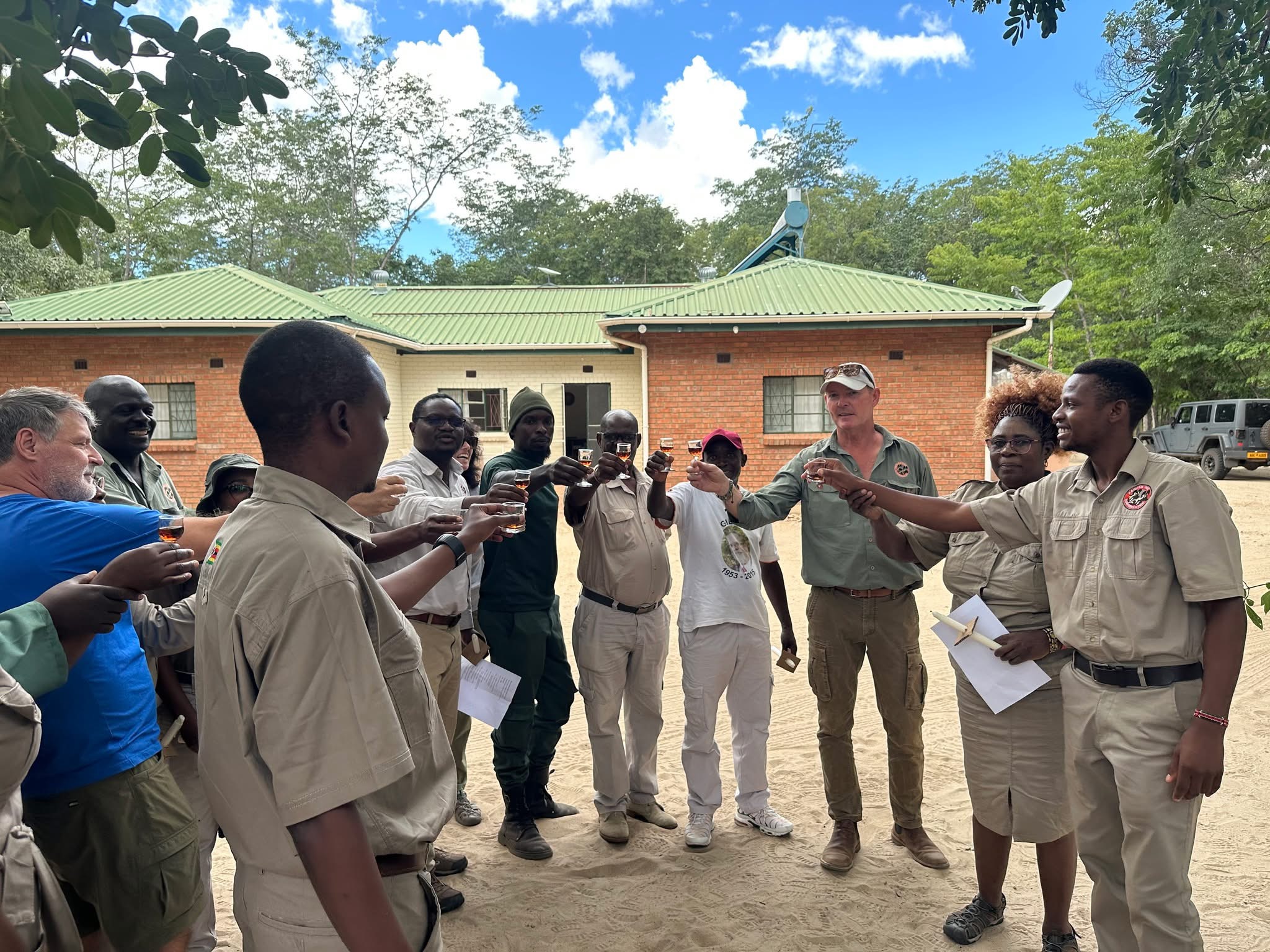
In a poignant tribute that has resonated across the conservation community, Painted Dog Conservation (PDC) recently gathered to honour the memory of Greg ‘Gibby’ Gibbard, a man whose life was inextricably linked to the survival of the African wild dog. Gibbard, who passed away in 2015, is being remembered not just for his years of service, but for a legacy that continues to safeguard one of the continent’s most endangered predators.

The Facebook remembrance, shared by Maria of PDC, highlights a life defined by “unwavering courage” and a refusal to let the story of the painted dog end. While the region continues to grapple with intense poaching pressure—including a recent surge in illegal traps that has seen thousands of snares removed from the bush—the focus of this week’s memorial is on the “hope and resilience” that Gibbard instilled in the mission.
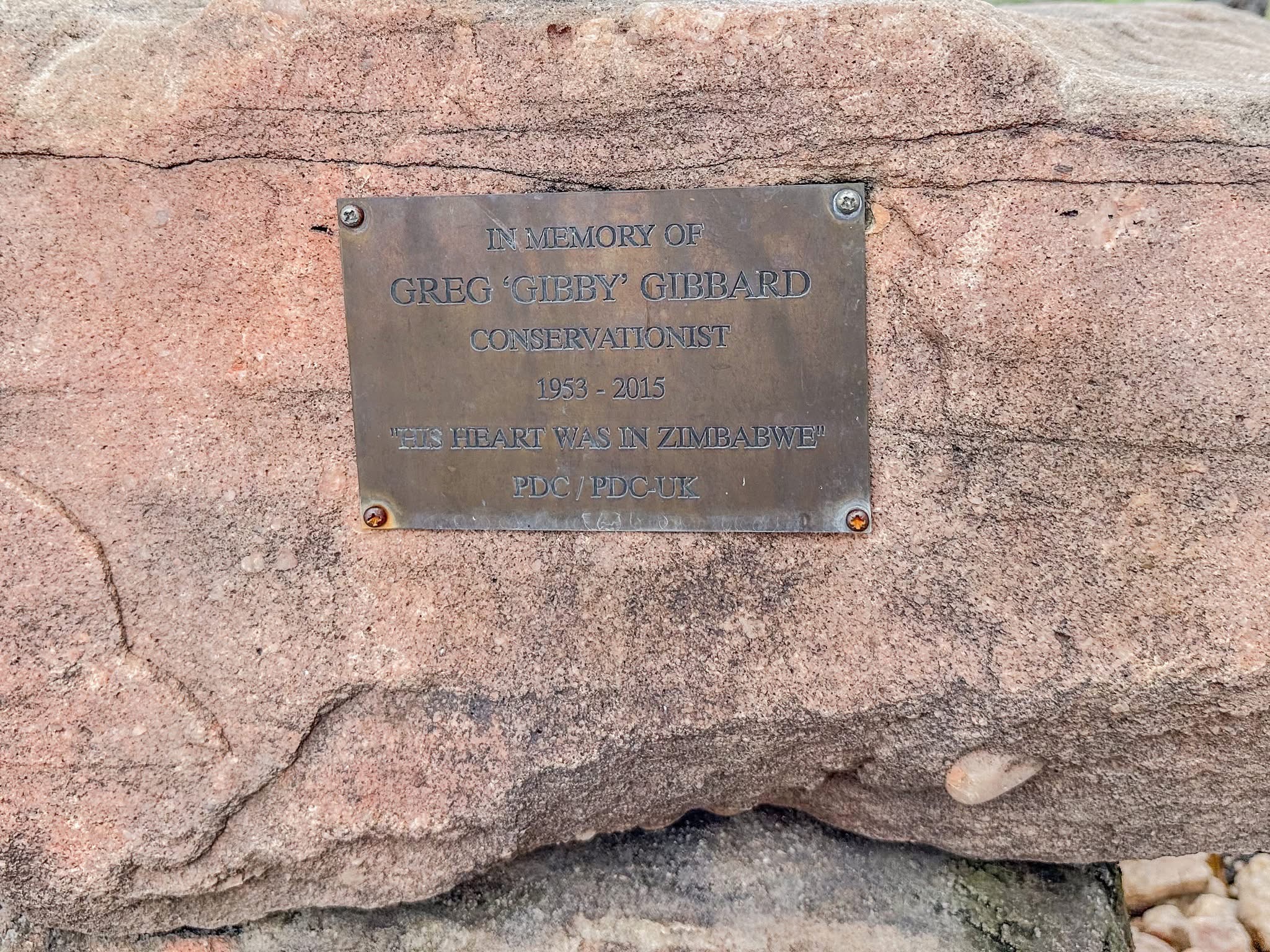
Tracking Footprints in the Sand

For those who knew him, Greg’s work was far from the polished image of modern wildlife tourism. It was characterized by “long days in the bush, tracking fading footprints in dust and sand,” and the relentless, often exhausting effort of “educating communities and inspiring young conservationists.”

Maria noted that Gibbard stood as a “guardian of a species that many had forgotten,” recognizing early on that the survival of the patchwork-coated dogs was “inseparable from our own future.” His dedication spanned “sleepless nights worrying about disease and disappearing habitat,” a commitment that laid the foundation for the sophisticated tracking and research operations used by PDC today.

A Legacy of Resilience: The Umkhonto Pack

The success of modern interventions is widely seen as a continuation of Gibbard’s vision. A primary example is the Umkhonto Pack, which has become a “flagship example of science-driven, field-based conservation”.
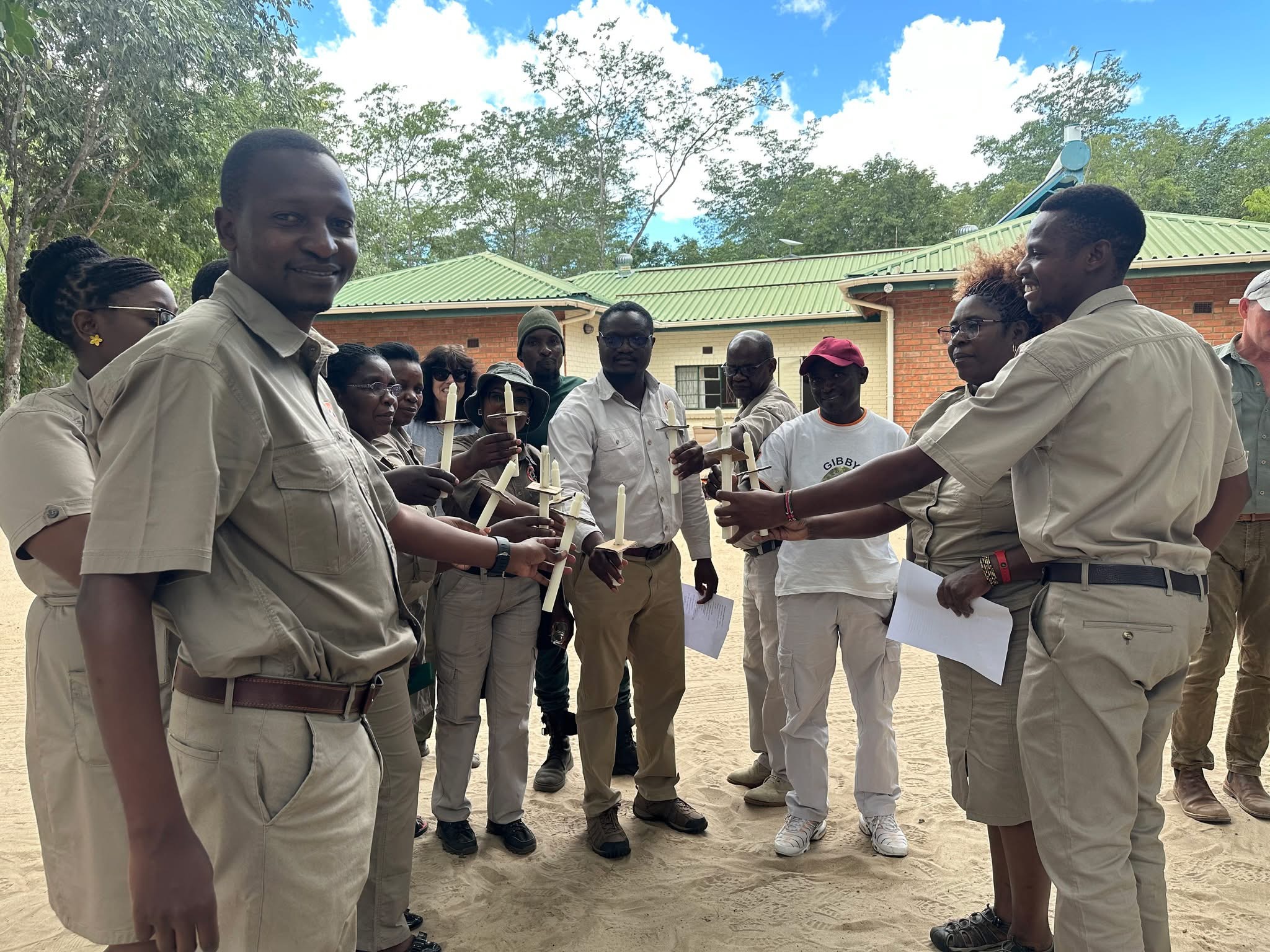
Image by PDC

Though the park faces ongoing challenges with illegal snaring in communal areas, the protection of this specific pack has been a resounding victory. According to the latest PDC data:

Eight healthy pups were successfully raised during the last denning season with no mortalities .
 The pack has stabilized at 19 individuals , now ranging within the safety of Hwange National Park.
The integration of research and tracking technology—methods Gibbard championed—led to the arrest of eleven poachers in the pack’s territory.

The “Shadows of the Savanna” Live OnAs the conservation community marks a decade since his passing, the presence of these “remarkable predators” remains the ultimate tribute to his life. The current population in the Hwange and Sinamatela regions is robust, with several monitored packs carrying the torch of his efforts.

The Emerald pack, which has reached 22 individuals, and the Batsha pack , with 20 dogs, are thriving examples of the “unbreakable family bonds” Maria spoke of in her tribute . Other groups, including the Kingsbury, Linkwasha, Chowato, Cave, Intundla, Khumbula, and Garikamwe packs, continue to move like “shadows across the savanna at sunrise,” fulfilling Gibbard’s dream of a wilderness that still echoes with their high-pitched calls.

“May we honour Greg’s memory not only with words, but with action,” the tribute concluded.

Continue Reading

Slider

Tourism bill clears National Assembly, moves to Senate

Published

on

BY NOKUTHABA DLAMINI 

Zimbabwe’s Tourism Act Amendment Bill has been passed by the National Assembly and now awaits debate in the Senate, marking a key step towards overhauling the country’s tourism sector.

According to the explanatory memorandum, “This Bill seeks to establish a Zimbabwe Tourism Authority that is responsible for the regulation for the tourism and hospitality industry, and the marketing of destination Zimbabwe.” 

The proposed law strengthens the role of the Zimbabwe Tourism Authority (ZTA), which will regulate, license and promote the industry. It also introduces stricter compliance measures for tourism operators.

Under the new provisions, registration and grading of facilities will be mandatory. The Bill states: “no person shall conduct or operate that designated tourist facility unless it is registered and graded.” 

Authorities will also have enforcement powers, including shutting down non-compliant operators.

The legislation further extends regulation to online accommodation platforms, a growing segment in the tourism sector. It stipulates that: “All hosts must register with the Authority… before listing a property on an accommodation booking platform.” 

To support industry growth, the Bill proposes the creation of a dedicated fund. It notes: “There is hereby established a fund to be known as the Zimbabwe Tourism Fund,” which will be used for “the development and promotion of the tourism and hospitality industry.” 

Sustainability and inclusivity are also central to the new law. The Bill provides that: “All tourism policies, programs, and projects shall incorporate the principles of sustainable development.” 

It further emphasises inclusion, stating that tourism development must mainstream “gender equality, disability inclusion, and the rights of indigenous peoples.” 

Once enacted, the law will replace the current Tourism Act. The Bill clearly states it seeks “to repeal the Tourism Act [Chapter 14:20].” 

The Bill now proceeds to the Senate, where lawmakers are expected to debate its provisions before it can be sent for presidential assent.

Continue Reading

Slider

MP probes Binga tourism, climate and conservation plans

Published

on

BY WANDILE TSHUMA 

Binga South legislator, Fanuel Cumanzala has called for clarity on tourism development and environmental protection in the Zambezi Valley.

In a parliamentary hearing, Cumanzala asked the Minister of Environment, Climate and Wildlife:

“The plans the Ministry has in place to develop and promote tourism in Binga District, particularly around the Zambezi River, in order to enhance local economic development and create employment opportunities for residents.” 

He added:

“The programmes being implemented to ensure that local communities in Binga District directly benefit from tourism.” 

Further questions focused on sustainability and climate resilience:

“What measures are in place to ensure the protection and sustainable management of natural tourism assets in the Zambezi Valley, including wildlife, rivers and forests, in order to prevent environmental degradation.” 

“The efforts being made to combat poaching in the Zambezi Valley, particularly in Binga District, and how local communities are being involved in wildlife protection initiatives.” 

“The climate adaptation strategies being implemented to assist communities in Binga District in coping with droughts, floods, and other climate-related challenges affecting the Zambezi Valley.” 

No ministerial responses were recorded.

Continue Reading

Trending

Copyright © 2022 VicFallsLive. All rights reserved, powered by Advantage