

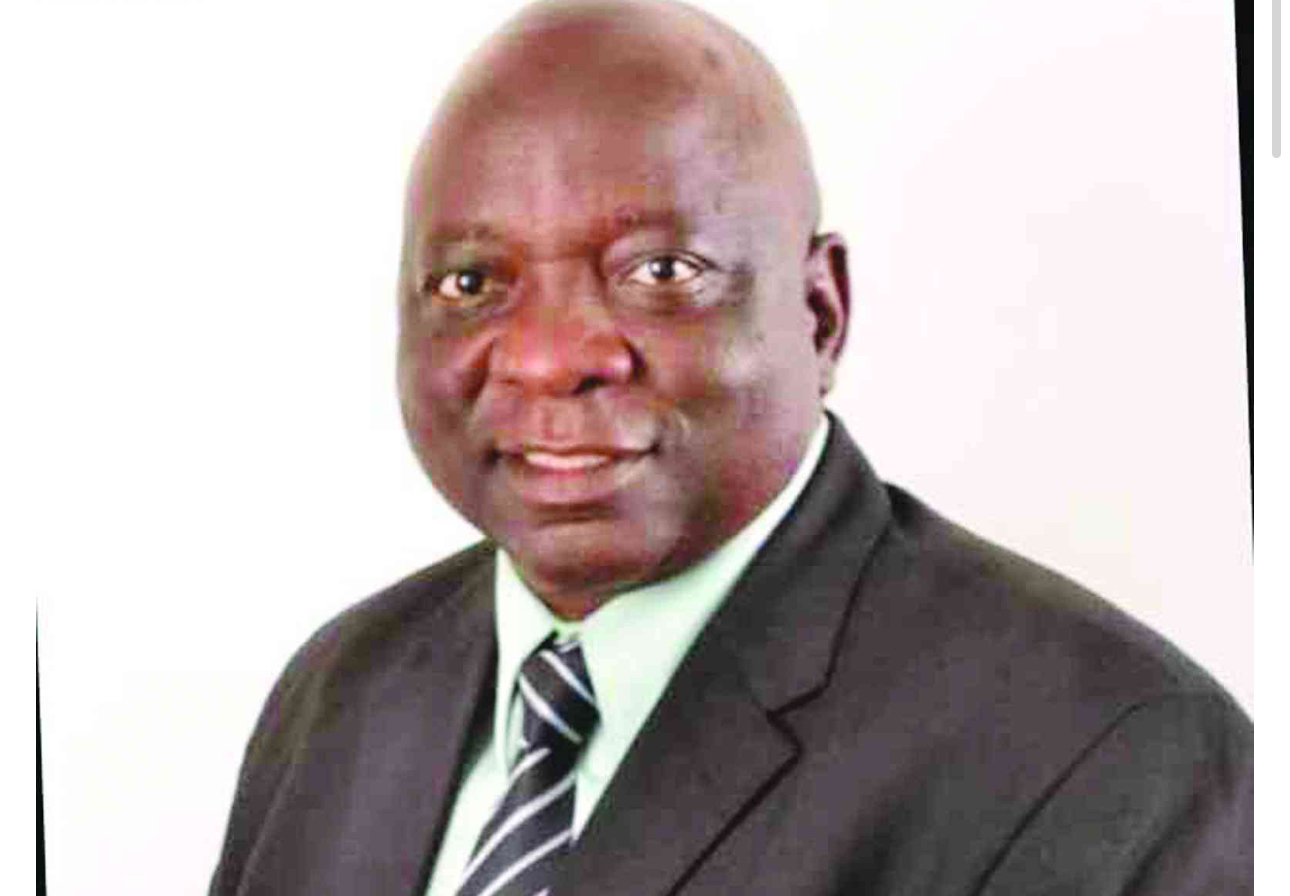
Mining operations in Binga generated US$5 million in taxes during 2025, Government told Parliament on Wednesday, after Binga South MP Fanuel Cumanzala asked how the district’s mineral wealth was contributing to development in the Zambezi Valley.
Cumanzala’s question was broader than simply asking how much money mining companies were paying.
He wanted Government to explain three things: how much revenue was being generated, how that revenue was being allocated or reinvested in local development, and how Binga was being incorporated into national development plans.
The question is significant in a district where communities continue to grapple with development challenges despite economic activity taking place within the area.
Deputy Minister of Finance, Economic Development and Investment Promotion David Mnangagwa told Parliament that three mining operations generated US$5 million in 2025.
“During the year 2025, a total of USD5 million was collected from taxes from the three mining operations in Binga District.”
He said the revenue came from corporate income tax, mineral royalties and withholding taxes.
The next question was where that money goes.
Government’s response was that mining revenue is not ring-fenced for Binga.
“The revenue generated from the Mining Houses is remitted into the Consolidated Revenue Fund.”
According to the Deputy Minister, that revenue is then used to support development programmes across the country.
For Binga specifically, however, Government pointed to a separate allocation.
“The 2026 National Budget allocated a total of ZiG 167.9 million to Binga Rural District Council under intergovernmental fiscal transfers.”
Government also outlined several projects earmarked for the district.
These include the construction of a control tower on Lake Kariba to improve vessel traffic management and operational safety, Binga District Registry Offices and a Teaching and Learning Centre.
The Deputy Minister said:
“One of the projects to be implemented in Binga under NDS 2 is the construction of a control tower in Lake Kariba to improve vessel traffic management and enhance operational safety.”
He also said construction was already underway at the Binga District Registry Offices and that a Teaching and Learning Centre would be constructed in 2026.
The question of local benefit
Cumanzala’s question opens up a wider issue that has repeatedly affected resource-rich communities across Zimbabwe: how much of the economic value generated in a district is actually visible to the people living there?
Government’s explanation is that mining taxes enter the Consolidated Revenue Fund and are then used nationally rather than being directly returned to the district where the minerals are extracted.
That means the US$5 million figure cannot automatically be described as money that Binga has lost or money that should have been paid directly to the district.
But it does raise a legitimate accountability question: what development outcomes can communities in Binga identify from the mining activity taking place around them and from the broader national allocations made to the district?
For Binga villagers, the answer is likely to be measured not in tax receipts but in roads, schools, health facilities, water infrastructure, jobs and other services.